


Hey there! As a supplier of Jacquard Elastic, I often get asked about the ideal temperature for ironing this type of elastic. It's a crucial question because getting the temperature wrong can either damage the elastic or fail to achieve the desired results. So, let's dive right into it and figure out what temperature is suitable for ironing Jacquard Elastic.
First off, let's understand what Jacquard Elastic is. It's a type of elastic that has intricate patterns woven into it. These patterns are created using a Jacquard loom, which allows for more complex designs compared to regular elastic. The materials used in Jacquard Elastic can vary, but they commonly include a blend of polyester, nylon, and spandex. Each of these materials has its own heat tolerance, which is why finding the right ironing temperature is so important.
Polyester, one of the main components in Jacquard Elastic, can generally withstand relatively high temperatures. It starts to soften at around 230 - 250°F (110 - 120°C) and melts at much higher temperatures. Nylon, on the other hand, has a lower melting point, usually around 482°F (250°C), but it can start to deform at temperatures as low as 220°F (105°C). Spandex, the stretchy part of the elastic, is very sensitive to heat. It can lose its elasticity if exposed to high temperatures for too long.
Based on these material properties, a safe temperature range for ironing Jacquard Elastic is between 120°F (50°C) and 160°F (70°C). This temperature range is low enough to prevent damage to the spandex and nylon while still being able to smooth out any wrinkles or creases in the elastic.
But how do you actually set your iron to this temperature? Well, most modern irons have a temperature dial or settings for different fabrics. Look for the setting labeled "silk" or "delicate." These settings usually correspond to the temperature range we're aiming for. If your iron doesn't have a specific setting, you can test the temperature on a small, inconspicuous piece of the elastic first. Place a thin cloth over the elastic to act as a buffer between the iron and the elastic. This will help distribute the heat evenly and prevent direct contact that could cause damage.
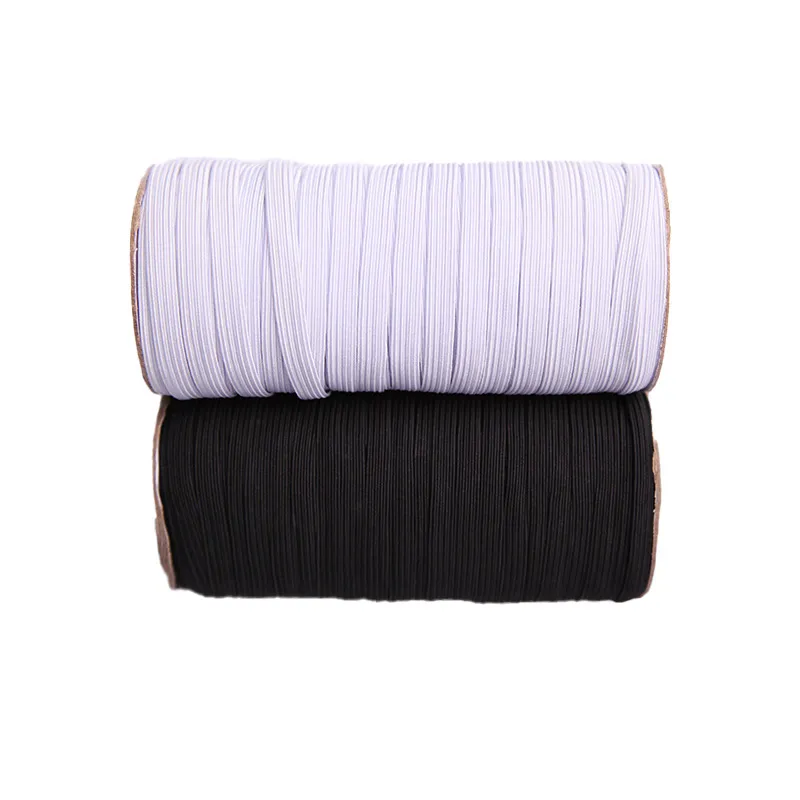

When ironing Jacquard Elastic, it's important to use a light touch. Don't press down too hard on the elastic, as this can distort the patterns. Instead, gently glide the iron over the elastic in a smooth, continuous motion. You may need to iron the elastic multiple times to achieve the desired results, but make sure to give it enough time to cool down between each pass.
Now, let's talk about some common mistakes to avoid when ironing Jacquard Elastic. One of the biggest mistakes is using too high a temperature. As we mentioned earlier, high temperatures can damage the spandex and nylon in the elastic, causing it to lose its elasticity or even melt. Another mistake is leaving the iron in one place for too long. This can create hot spots on the elastic, which can also lead to damage.
If you're looking for other types of elastic products, we also offer Custom Printed Elastic Waistband, Braided Elastic Band, and Knitted Elastic Tape. These products have their own unique properties and ironing requirements, so make sure to check the specific guidelines for each type.
In conclusion, the ideal temperature for ironing Jacquard Elastic is between 120°F (50°C) and 160°F (70°C). By following these guidelines and using a light touch, you can ensure that your Jacquard Elastic looks its best without causing any damage. If you have any more questions about ironing Jacquard Elastic or any of our other elastic products, feel free to reach out. We're here to help you make the most of your elastic purchases. Whether you're a small business looking to source high - quality elastic for your products or an individual in need of a specific type of elastic, we've got you covered. So, don't hesitate to contact us for all your elastic needs. Let's start a great business relationship today!
References:
- Textile Materials Handbook: A Guide to Fibers, Yarns, and Fabrics
- Elastic Manufacturing Industry Reports


