


As a supplier of round cotton cord, I've witnessed firsthand the importance of being able to identify high - quality products. In various industries, from handicrafts to home decor and even industrial applications, the quality of round cotton cord can significantly impact the final outcome of a project. Here, I'll share some key aspects to consider when determining the quality of round cotton cord.
1. Material Composition
The first step in identifying high - quality round cotton cord is to examine its material composition. A top - notch cord should be made from 100% natural cotton. 100% Cotton Cord offers numerous advantages. Natural cotton is breathable, hypoallergenic, and has a soft touch, making it suitable for a wide range of uses.
To check the cotton content, you can perform a simple burn test. Take a small sample of the cord and carefully ignite it. Pure cotton burns steadily with a yellow flame, leaves a soft ash, and has a smell similar to burning paper. If the cord melts, produces a pungent odor, or leaves a hard bead of residue, it likely contains synthetic fibers, which may reduce its overall quality and performance.
2. Color and Dyeing
The color of the round cotton cord can also indicate its quality. High - quality cords usually have a rich, even color. Poorly dyed cords may show signs of uneven coloring, such as blotches or fading in certain areas.
When it comes to dyeing, eco - friendly and color - fast dyes are preferable. Color - fast dyes ensure that the cord retains its color even after repeated washing or exposure to sunlight. You can test the colorfastness by gently rubbing a damp white cloth against a small section of the cord. If there is significant color transfer onto the cloth, the dye quality is likely poor.
3. Tensile Strength
Tensile strength is a crucial factor, especially if the cord will be used in applications where it needs to bear weight or withstand tension. A high - quality round cotton cord should have good tensile strength.
To assess the tensile strength, you can conduct a simple pulling test. Take a short length of the cord and gradually apply force at both ends. A quality cord should not break easily under moderate pressure. However, be careful not to over - stress the cord during the test, as this may damage it.
4. Texture and Smoothness
The texture of the round cotton cord is another important aspect. A high - quality cord should have a smooth and uniform texture. Rough or bumpy cords may be a sign of poor manufacturing processes or low - grade materials.
Run your fingers along the length of the cord. If you feel any knots, lumps, or unevenness, it may affect the cord's usability. Smooth cords are easier to work with, especially in applications like sewing or weaving, where they need to pass through needles or other tools smoothly.
5. Twist and Construction
The twist of the round cotton cord plays a role in its quality. A well - twisted cord is more stable and less likely to fray. The twist should be tight and consistent throughout the length of the cord.
Inspect the cord closely to see if the twist is uniform. Loose or uneven twists can cause the cord to unravel or become misshapen over time. Additionally, consider the construction of the cord. Some cords are single - ply, while others are multi - ply. Multi - ply cords generally offer better strength and durability compared to single - ply cords.
6. Finishing
The finishing of the round cotton cord can enhance its overall quality and appearance. A high - quality cord usually has a clean, well - finished end. This prevents fraying and makes it easier to start using the cord without having to do extra preparation.
Look for cords with sealed or heat - treated ends. These finishes not only prevent fraying but also give the cord a more professional look. If the ends of the cord are ragged or frayed right out of the package, it may be a sign of poor quality control during the manufacturing process.
7. Comparison with Similar Products
One effective way to identify high - quality round cotton cord is to compare it with other similar products on the market. By comparing different brands or types of cords side by side, you can more easily spot the differences in quality.

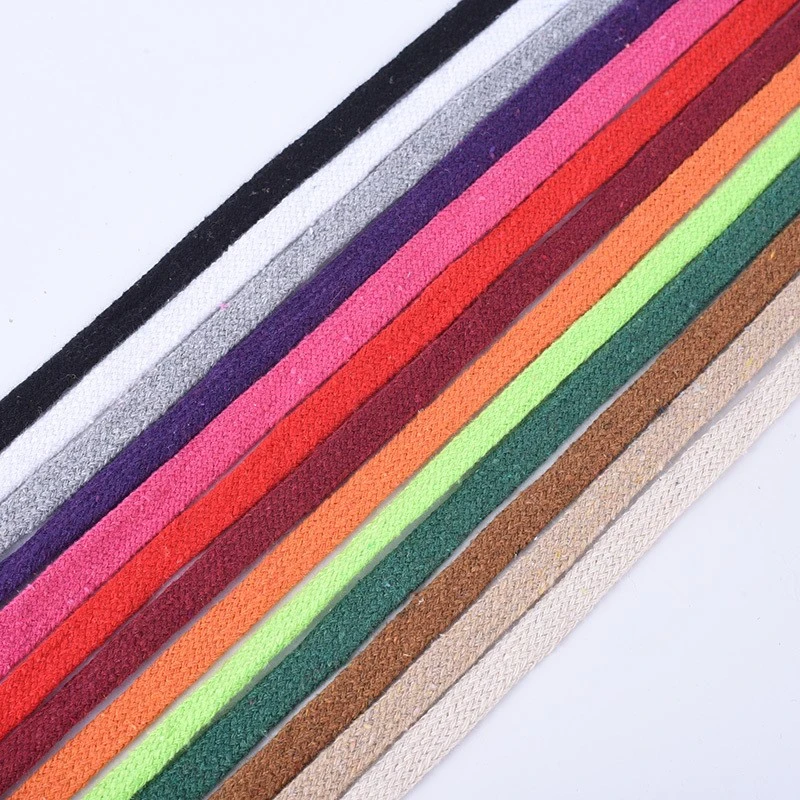
Look at factors such as color, texture, strength, and price. A significantly lower - priced cord may be of lower quality, but this is not always the case. Sometimes, a new brand may offer high - quality products at a competitive price. However, if a cord seems too cheap compared to others with similar specifications, it's worth investigating further to ensure it meets your quality requirements.
8. Reputation of the Supplier
As a supplier myself, I understand the importance of reputation. A reliable supplier is more likely to provide high - quality round cotton cord. Before making a purchase, research the supplier's reputation. You can check online reviews, ask for recommendations from other customers, or look for industry certifications.
A supplier with a good reputation is more likely to have strict quality control measures in place, ensuring that the cords they offer meet high standards. They are also more likely to provide excellent customer service and support in case you have any questions or issues with the product.
9. Industry Standards and Certifications
High - quality round cotton cords may comply with certain industry standards and certifications. For example, some cords may be certified as organic, which means they are made from cotton grown without the use of pesticides or synthetic fertilizers. Other certifications may relate to safety, environmental friendliness, or quality control.
When purchasing round cotton cord, look for products that carry relevant certifications. These certifications can give you added confidence in the quality of the product.
10. Applications and Compatibility
Finally, consider the intended application of the round cotton cord. Different applications may require different qualities of cord. For example, if you're using the cord for jewelry making, you may need a finer, more delicate cord. On the other hand, if it's for heavy - duty industrial use, you'll need a cord with high tensile strength.
Make sure the cord you choose is compatible with your specific application. A high - quality cord that is not suitable for your intended use may not perform as expected.
In conclusion, identifying high - quality round cotton cord requires a combination of careful inspection and testing. By considering factors such as material composition, color, tensile strength, and more, you can make an informed decision when purchasing.
If you're in the market for high - quality round cotton cord, I encourage you to reach out to discuss your specific needs. We also offer other types of cotton cords, such as Braided Cotton Cord and Flat Cotton Cord, which may be suitable for your projects. Contact us today to start a procurement discussion and find the perfect cord for your requirements.
References:
- Textile Materials and Technology Handbook
- Guide to Cord and Rope Selection


