


Tensile strength is a critical property when it comes to woven elastic tape, a product that we, as a dedicated woven elastic tape supplier, prioritize in our manufacturing process. In this blog, we will delve into what tensile strength means for woven elastic tape, its importance, and the factors that influence it.
Understanding Tensile Strength
Tensile strength, in the context of woven elastic tape, is the maximum amount of tensile (pulling) stress that the tape can withstand before it breaks or fails. It is typically measured in units such as pounds per square inch (psi) or newtons per square millimeter (N/mm²). When a force is applied to stretch the woven elastic tape, the tape experiences internal stresses. These stresses are distributed throughout the structure of the tape. The tensile strength represents the point at which these internal stresses become too great for the tape to handle, leading to a rupture or separation of the fibers.
For example, imagine you are using woven elastic tape to secure a heavy load. As you pull on the tape, it stretches. The internal fibers of the tape are under stress, trying to resist the stretching force. If the force exceeds the tensile strength of the tape, the tape will break, and the load will be unsecured.
Why Tensile Strength Matters
The importance of tensile strength in woven elastic tape cannot be overstated, especially in various commercial and industrial applications.
In the apparel industry, woven elastic tape is commonly used in waistbands, cuffs, and shoulder straps. A high - tensile - strength tape ensures that these components can withstand the regular stretching and pulling that occurs during daily wear. For instance, a waistband made from a high - tensile - strength woven elastic tape will not break easily, even if the wearer bends, sits, or moves vigorously. This not only enhances the durability of the garment but also provides a better fit and comfort for the wearer.
In sports equipment, woven elastic tape is used in items like gym belts and support braces. These applications require the tape to withstand significant forces. A gym belt made from a tape with low tensile strength may snap during heavy lifting, posing a safety risk to the user. On the other hand, a high - tensile - strength tape can provide reliable support and prevent injuries.
In the automotive and aerospace industries, woven elastic tape is used for various fastening and securing purposes. The tape needs to be able to withstand high - stress environments, vibrations, and temperature changes. A tape with sufficient tensile strength ensures the safety and reliability of the components it is used in.
Factors Affecting the Tensile Strength of Woven Elastic Tape
Fiber Type
The type of fibers used in the woven elastic tape plays a crucial role in determining its tensile strength. Natural fibers such as cotton, silk, and wool have different tensile strengths compared to synthetic fibers like polyester, nylon, and spandex. Synthetic fibers generally have higher tensile strengths than natural fibers. For example, nylon is known for its excellent strength - to - weight ratio, making it a popular choice for applications that require high tensile strength. Polyester is also strong and has good resistance to stretching and shrinking, which helps maintain the tape's shape and tensile strength over time.
Weave Structure
The way the fibers are woven together also impacts the tensile strength of the tape. Different weave structures, such as plain weave, twill weave, and satin weave, distribute stress differently within the tape. A plain weave, where the warp and weft yarns cross each other in a simple over - under pattern, provides a relatively balanced and uniform strength. A twill weave, which has a diagonal pattern, may offer more flexibility while still maintaining good tensile strength. A satin weave, on the other hand, is known for its smooth surface but may have slightly different strength characteristics compared to the other two weaves.
Tape Width and Thickness
The width and thickness of the woven elastic tape are directly related to its tensile strength. Generally, wider and thicker tapes can withstand higher forces. A wider tape has more fibers within its cross - section, which means there are more fibers to distribute and resist the applied stress. Similarly, a thicker tape has a greater mass of fibers, providing more strength. However, it's important to note that increasing the width and thickness also increases the cost and weight of the tape, so a balance needs to be struck depending on the specific application.
Treatment and Coating
The treatment and coating applied to the woven elastic tape can also affect its tensile strength. Some treatments, such as heat setting, can improve the tape's dimensional stability and increase its resistance to stretching. Coatings can provide additional protection against abrasion, moisture, and chemicals, which can all contribute to the tape's overall durability and tensile strength. For example, a tape coated with a polyurethane layer may have better resistance to water and wear, thus maintaining its tensile strength in harsh environments.
Testing the Tensile Strength of Woven Elastic Tape
To ensure that our woven elastic tape meets the required standards of tensile strength, we conduct rigorous testing. One common method is the tensile test, which involves clamping the ends of a sample tape and slowly applying a pulling force until the tape breaks. The testing machine measures the force applied and records the maximum force at which the tape fails. This maximum force is then used to calculate the tensile strength of the tape based on its cross - sectional area.
We also perform quality control checks throughout the manufacturing process to ensure consistency in tensile strength. This includes monitoring the fiber quality, weave density, and the application of treatments and coatings. By maintaining strict quality control, we can guarantee that our customers receive a product that meets or exceeds their expectations in terms of tensile strength.
Our Product Range and Tensile Strength
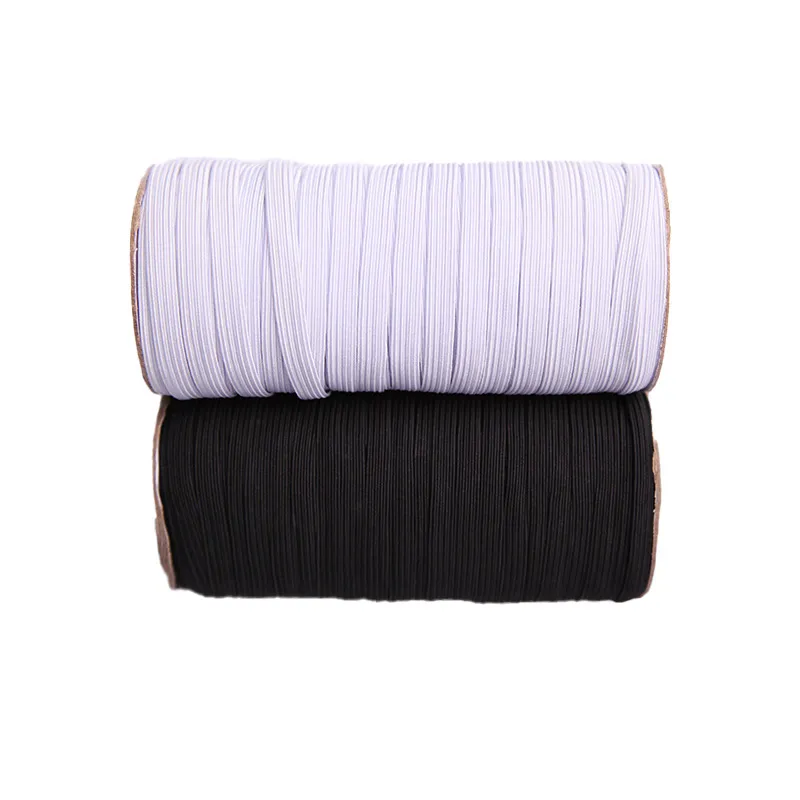
As a woven elastic tape supplier, we offer a diverse range of products, each designed to meet different requirements of tensile strength. Our Braided Elastic Band is known for its excellent flexibility and high tensile strength. It is made from high - quality synthetic fibers that are braided together to form a strong and durable structure. This type of elastic band is suitable for various applications, including clothing, crafts, and industrial uses.
Our Knitted Elastic Tape is another popular product. The knitted structure provides a unique combination of stretchability and strength. The fibers are interlocked in a way that allows the tape to stretch while still maintaining its shape and tensile strength. It is commonly used in apparel, especially for areas that require a comfortable and flexible fit.
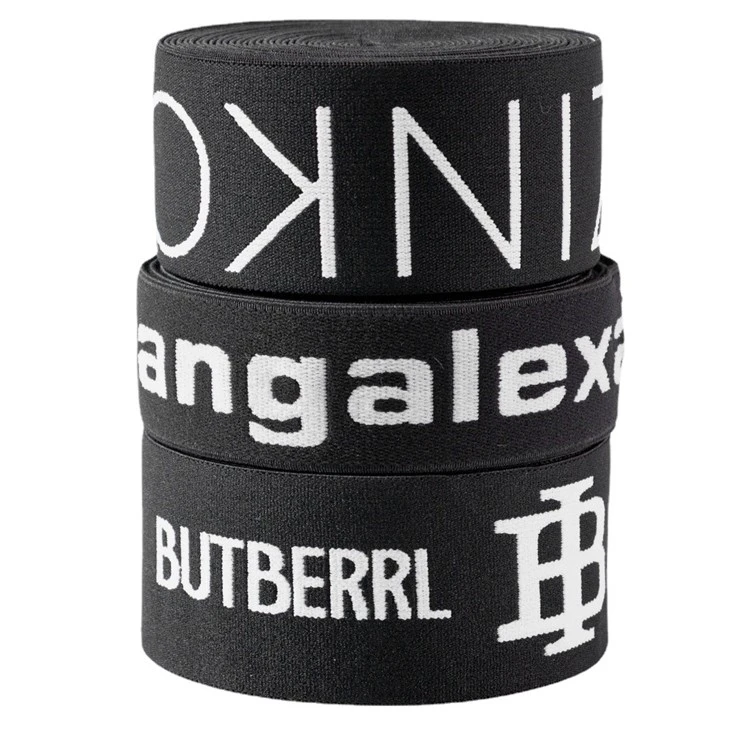
We also offer Custom Printed Elastic Waistband, which combines the benefits of high tensile strength with personalized printing. These waistbands are made with a careful selection of fibers and a specialized weave to ensure that they can withstand the stretching and bending associated with daily wear.
Contact Us for Your Woven Elastic Tape Needs
If you are in the market for woven elastic tape with high tensile strength, look no further. We are committed to providing our customers with the best - quality products that meet their specific requirements. Whether you need a small quantity for a DIY project or a large order for an industrial application, we have the expertise and resources to fulfill your needs. Contact us today to discuss your procurement requirements and explore how our woven elastic tape can enhance your products.
References
- Callister, W. D., & Rethwisch, D. G. (2016). Materials Science and Engineering: An Introduction. John Wiley & Sons.
- Lewis, M. (2009). Textile Science. Pearson Prentice Hall.


