


When it comes to Jacquard Elastic, choosing the right dye is crucial for achieving the desired appearance, durability, and quality. As a seasoned Jacquard Elastic supplier, I have witnessed firsthand the impact that different dyes can have on the final product. In this blog post, I will delve into the various types of dyes suitable for Jacquard Elastic, their characteristics, and the factors to consider when making a selection.
Types of Dyes for Jacquard Elastic
1. Reactive Dyes
Reactive dyes are one of the most popular choices for Jacquard Elastic. These dyes form a chemical bond with the fibers of the elastic, resulting in excellent color fastness and durability. Reactive dyes are known for their bright and vivid colors, which can withstand repeated washing and exposure to sunlight without fading. They are also resistant to abrasion, making them ideal for elastic products that are subject to frequent use and friction.
One of the key advantages of reactive dyes is their ability to penetrate deep into the fibers, ensuring uniform color distribution throughout the elastic. This results in a rich and consistent color that enhances the overall aesthetic appeal of the Jacquard Elastic. Additionally, reactive dyes are available in a wide range of colors, allowing for endless possibilities in terms of design and customization.
However, reactive dyes do have some limitations. They require a specific pH and temperature range for optimal dyeing, which can make the dyeing process more complex and time-consuming. Additionally, reactive dyes can be more expensive than other types of dyes, which may impact the overall cost of production.
2. Acid Dyes
Acid dyes are another commonly used type of dye for Jacquard Elastic, especially for elastic made from synthetic fibers such as nylon. These dyes are applied in an acidic bath, where they bond to the fibers through ionic interactions. Acid dyes are known for their excellent color fastness and ability to produce bright and intense colors.
One of the main advantages of acid dyes is their versatility. They can be used on a variety of synthetic fibers, including nylon, polyester, and acrylic, making them a popular choice for manufacturers who work with different types of elastic materials. Acid dyes are also relatively easy to apply, requiring less complex dyeing processes compared to reactive dyes.
However, acid dyes may not be suitable for all types of fibers. They are not recommended for use on natural fibers such as cotton or wool, as they may not bond effectively to these fibers. Additionally, acid dyes can be sensitive to changes in pH and temperature, which can affect the color fastness and overall quality of the dyed elastic.
3. Disperse Dyes
Disperse dyes are primarily used for dyeing synthetic fibers, such as polyester. These dyes are insoluble in water and are dispersed in a dye bath using a dispersing agent. Disperse dyes work by diffusing into the fibers at high temperatures, where they become trapped and form a bond with the fibers.

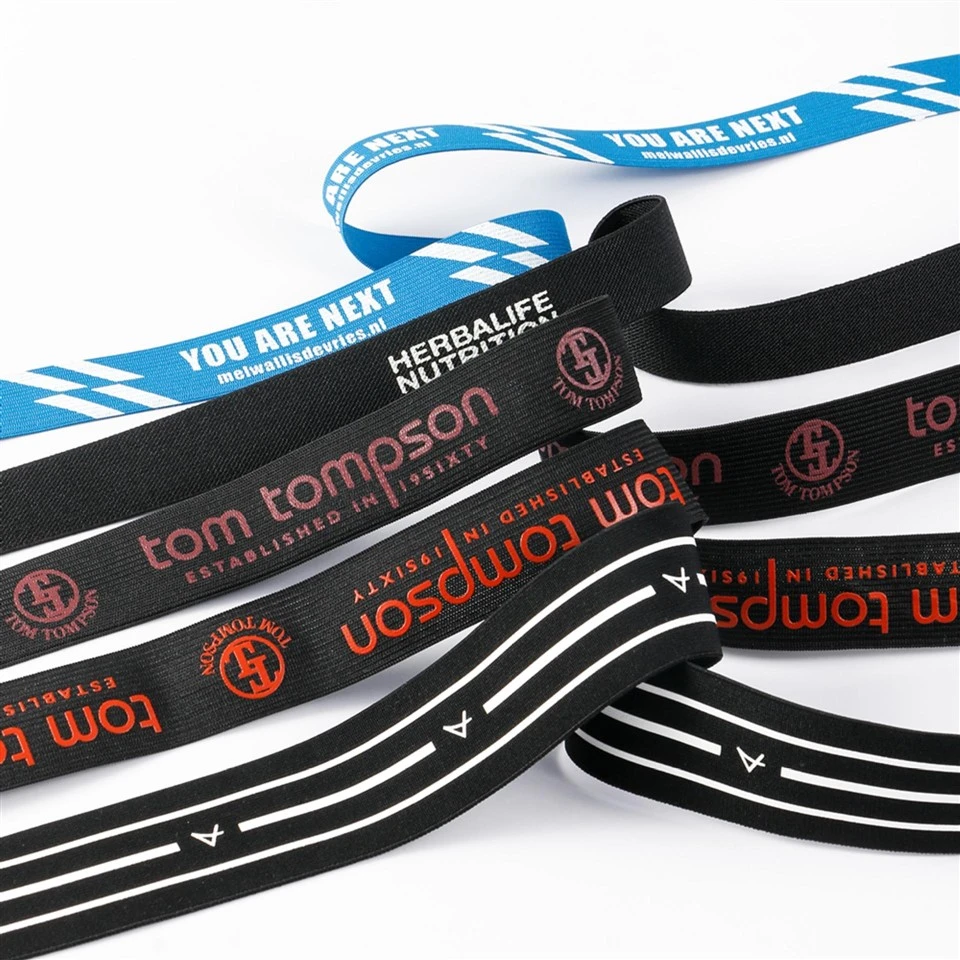
Disperse dyes are known for their excellent color fastness and resistance to fading. They can produce a wide range of colors, including bright and pastel shades, and are often used for creating intricate patterns and designs on Jacquard Elastic. Disperse dyes are also relatively easy to apply, making them a popular choice for manufacturers who require a high level of precision and control in the dyeing process.
However, disperse dyes have some limitations. They are not suitable for use on natural fibers, as they do not bond effectively to these fibers. Additionally, disperse dyes can be more expensive than other types of dyes, and the dyeing process may require specialized equipment and expertise.
4. Pigment Dyes
Pigment dyes are a type of dye that consists of finely ground color particles that are mechanically adhered to the surface of the fibers. Unlike reactive, acid, and disperse dyes, pigment dyes do not form a chemical bond with the fibers. Instead, they are held in place by a binder, which helps to ensure that the color remains on the surface of the elastic.
Pigment dyes are known for their excellent color fastness and resistance to fading. They can be used on a variety of fibers, including natural and synthetic fibers, making them a versatile choice for manufacturers. Pigment dyes are also relatively easy to apply, and the dyeing process can be completed at lower temperatures compared to other types of dyes.
However, pigment dyes may not be suitable for all types of applications. They can make the elastic feel stiffer and less flexible compared to other types of dyes, which may affect the comfort and performance of the final product. Additionally, pigment dyes may not produce the same level of color intensity and vibrancy as reactive, acid, or disperse dyes.
Factors to Consider When Choosing a Dye for Jacquard Elastic
1. Fiber Type
The type of fiber used in the Jacquard Elastic is one of the most important factors to consider when choosing a dye. Different fibers have different chemical properties, which can affect the way they interact with dyes. For example, natural fibers such as cotton and wool require different dyes compared to synthetic fibers such as nylon and polyester. It is important to choose a dye that is compatible with the fiber type to ensure optimal color fastness and quality.
2. Color Fastness
Color fastness refers to the ability of a dye to retain its color over time, even when exposed to various environmental factors such as washing, sunlight, and friction. When choosing a dye for Jacquard Elastic, it is important to consider the level of color fastness required for the specific application. For example, elastic used in clothing that is frequently washed may require a dye with a higher level of color fastness compared to elastic used in decorative applications.
3. Dyeing Process
The dyeing process can also have a significant impact on the choice of dye. Different dyes require different dyeing conditions, such as pH, temperature, and time. Some dyes may require more complex dyeing processes, which can increase the cost and time of production. It is important to choose a dye that is compatible with the available dyeing equipment and processes to ensure efficient and cost-effective production.
4. Environmental Impact
In recent years, there has been a growing concern about the environmental impact of the textile industry. When choosing a dye for Jacquard Elastic, it is important to consider the environmental impact of the dyeing process. Some dyes may contain harmful chemicals or require large amounts of water and energy, which can have a negative impact on the environment. It is important to choose a dye that is environmentally friendly and sustainable.
Conclusion
Choosing the right dye for Jacquard Elastic is a critical decision that can have a significant impact on the quality, appearance, and durability of the final product. As a Jacquard Elastic supplier, I understand the importance of selecting the appropriate dye based on the specific requirements of the application. By considering factors such as fiber type, color fastness, dyeing process, and environmental impact, manufacturers can make an informed decision and choose a dye that will meet their needs and expectations.
If you are interested in learning more about our Jacquard Elastic products or have any questions about dyeing options, please feel free to contact us. We are always happy to assist you in finding the perfect solution for your needs. Whether you are looking for Waistband Elastic or Custom Printed Elastic Waistband, we have the expertise and resources to provide you with high-quality products at competitive prices.
References
- Textile Dyeing and Finishing Technology, Third Edition by W. S. Hinchliffe
- Handbook of Textile and Industrial Dyeing by M. Clark
- Dyeing of Textiles by R. M. Christie


