


As a seasoned supplier of Jacquard Elastic, I've witnessed firsthand the transformative power this material can bring to the sock industry. Incorporating Jacquard Elastic into socks isn't just about adding a functional element; it's about enhancing the overall quality, comfort, and aesthetic appeal of the product. In this blog post, I'll share some valuable insights on how to effectively integrate Jacquard Elastic into socks, drawing from my years of experience in the field.
Understanding Jacquard Elastic
Before delving into the incorporation process, it's crucial to understand what Jacquard Elastic is and why it's so beneficial for socks. Jacquard Elastic is a type of elastic material that features intricate patterns woven into its structure. These patterns are created using a Jacquard loom, which allows for greater design flexibility compared to traditional elastic manufacturing methods. The result is a highly customizable elastic that can be tailored to meet the specific needs of sock manufacturers.

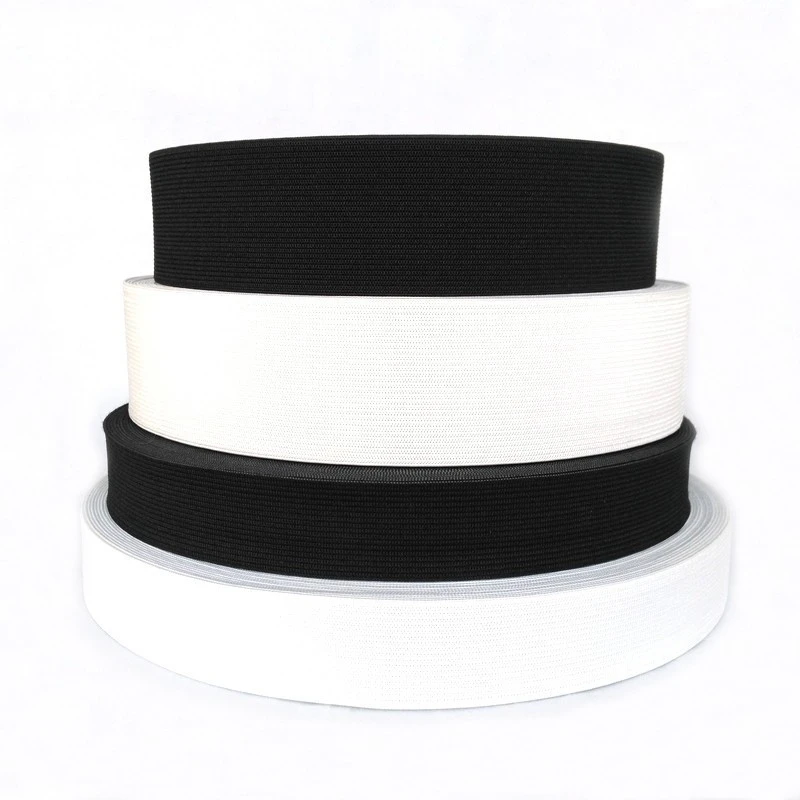
One of the key advantages of Jacquard Elastic is its elasticity. It provides a comfortable and secure fit, ensuring that socks stay in place without being too tight or restrictive. Additionally, the woven patterns add a unique visual element to the socks, making them stand out from the competition. Whether you're looking to create a subtle, understated design or a bold, eye-catching statement, Jacquard Elastic offers endless possibilities.
Selecting the Right Jacquard Elastic
The first step in incorporating Jacquard Elastic into socks is selecting the right type of elastic for your specific application. There are several factors to consider when making this decision, including the sock's intended use, the desired level of elasticity, and the overall design aesthetic.
- Elasticity: The elasticity of the Jacquard Elastic is crucial for ensuring a proper fit. You'll need to choose an elastic with the appropriate stretch and recovery properties to prevent the socks from slipping down or feeling too tight. Consider the intended use of the socks – for example, athletic socks may require a higher level of elasticity than dress socks.
- Pattern and Design: The pattern and design of the Jacquard Elastic can have a significant impact on the overall look of the socks. You can choose from a wide range of pre-designed patterns or work with a supplier to create a custom design that reflects your brand's identity. Keep in mind that the pattern should complement the sock's color and style.
- Material and Quality: The quality of the Jacquard Elastic is essential for ensuring durability and long-lasting performance. Look for elastic made from high-quality materials that are resistant to wear and tear, as well as fading and stretching over time. A reputable supplier will be able to provide you with detailed information about the materials used and the manufacturing process.
Incorporating Jacquard Elastic into Socks
Once you've selected the right Jacquard Elastic for your socks, it's time to incorporate it into the manufacturing process. There are several methods for doing this, depending on the type of socks you're producing and the specific requirements of your design.
- Binding: One of the most common methods for incorporating Jacquard Elastic into socks is binding. This involves attaching the elastic to the edge of the sock using a sewing machine or other binding equipment. Binding provides a clean, finished look and helps to prevent the edges of the sock from fraying.
- Cuffing: Another popular method is cuffing, which involves folding the Jacquard Elastic over the top of the sock to create a cuff. Cuffing adds a decorative element to the socks and can also provide additional support and comfort around the ankle.
- Inlaying: Inlaying is a more advanced technique that involves inserting the Jacquard Elastic into the body of the sock during the knitting process. This method allows for more precise placement of the elastic and can create a seamless, integrated look.
Benefits of Using Jacquard Elastic in Socks
Incorporating Jacquard Elastic into socks offers several benefits for both manufacturers and consumers. Here are some of the key advantages:
- Enhanced Comfort: The elasticity of Jacquard Elastic provides a comfortable and secure fit, reducing the risk of slipping and bunching. This can improve the overall comfort of the socks, especially during extended periods of wear.
- Improved Durability: High-quality Jacquard Elastic is resistant to wear and tear, ensuring that the socks maintain their shape and elasticity over time. This can extend the lifespan of the socks and reduce the need for frequent replacements.
- Unique Design: The intricate patterns woven into Jacquard Elastic add a unique visual element to the socks, making them stand out from the competition. This can help to differentiate your brand and attract more customers.
- Customization: Jacquard Elastic offers endless possibilities for customization, allowing you to create socks that are tailored to your specific design requirements. Whether you're looking to add a logo, a pattern, or a specific color scheme, Jacquard Elastic can help you achieve your desired look.
Related Products
In addition to Jacquard Elastic, there are several other types of elastic materials that can be used in the sock industry. Here are some related products that you may find useful:
- Waistband Elastic: Waistband Elastic is a wide, flat elastic that is commonly used in the waistbands of pants, shorts, and other clothing items. It can also be used in the cuffs of socks to provide additional support and comfort.
- Knitted Elastic Tape: Knitted Elastic Tape is a flexible, stretchy tape that is often used in the construction of socks, underwear, and other garments. It offers a high level of elasticity and can be easily sewn or bonded to the fabric.
- Braided Elastic Band: Braided Elastic Band is a strong, durable elastic that is commonly used in the waistbands of athletic shorts, swimsuits, and other activewear. It can also be used in the cuffs of socks to provide a secure, comfortable fit.
Working with a Jacquard Elastic Supplier
Partnering with a reliable Jacquard Elastic supplier is essential for ensuring the success of your sock manufacturing process. A reputable supplier will have the expertise and experience to help you select the right type of elastic for your specific application, as well as provide you with high-quality products and excellent customer service.
When choosing a supplier, look for a company that has a proven track record in the industry and offers a wide range of Jacquard Elastic options. You should also consider factors such as pricing, lead times, and shipping options. A good supplier will be willing to work with you to meet your specific needs and requirements, and will provide you with ongoing support and guidance throughout the manufacturing process.
Conclusion
Incorporating Jacquard Elastic into socks is a great way to enhance the quality, comfort, and aesthetic appeal of your products. By selecting the right type of elastic, using the appropriate manufacturing methods, and working with a reliable supplier, you can create socks that stand out from the competition and meet the needs of your customers.
If you're interested in learning more about how to incorporate Jacquard Elastic into your socks or would like to discuss your specific requirements, please don't hesitate to contact us. We're here to help you every step of the way and look forward to working with you to create high-quality, innovative sock products.
References
- Smith, J. (2020). The Art of Sock Manufacturing. New York: Fashion Press.
- Johnson, A. (2019). Elastic Materials in the Textile Industry. London: Textile Publishing.
- Brown, K. (2018). Designing with Jacquard Elastic. Los Angeles: Design Journal.


