


Bias binding tape is a versatile and essential material in the world of sewing and crafting. As a supplier of Bias Binding Tape, I often get asked about the materials used to make this handy product. In this blog post, I'll delve into the various materials that are commonly used to create bias binding tape, exploring their characteristics, advantages, and ideal applications.
Cotton
Cotton is one of the most popular materials for making bias binding tape, and for good reason. It is a natural fiber that is soft, breathable, and easy to work with. Cotton bias binding tape is available in a wide range of colors and patterns, making it suitable for a variety of projects.
One of the main advantages of cotton bias binding tape is its versatility. It can be used for both lightweight and heavyweight fabrics, and it is suitable for a variety of applications, including clothing, home decor, and quilting. Cotton bias binding tape is also easy to sew, making it a great choice for beginners.
Another advantage of cotton bias binding tape is its durability. Cotton is a strong fiber that can withstand regular use and washing. This makes it a great choice for projects that will be used frequently, such as clothing and home decor items.
However, cotton bias binding tape does have some limitations. It can shrink when washed, so it is important to pre-wash the tape before using it in a project. Cotton bias binding tape can also wrinkle easily, so it may require ironing to keep it looking neat.
Polyester
Polyester is another popular material for making bias binding tape. It is a synthetic fiber that is strong, durable, and resistant to wrinkles and shrinking. Polyester bias binding tape is available in a wide range of colors and patterns, making it suitable for a variety of projects.
One of the main advantages of polyester bias binding tape is its durability. Polyester is a strong fiber that can withstand regular use and washing. This makes it a great choice for projects that will be used frequently, such as clothing and home decor items.
Another advantage of polyester bias binding tape is its resistance to wrinkles and shrinking. Polyester does not shrink when washed, and it is less likely to wrinkle than cotton. This makes it a great choice for projects that require a neat and professional finish.
However, polyester bias binding tape does have some limitations. It is not as breathable as cotton, so it may not be suitable for projects that will be worn close to the skin. Polyester bias binding tape can also be more difficult to sew than cotton, as it can be slippery.
Nylon
Nylon is a synthetic fiber that is strong, durable, and resistant to abrasion. Nylon bias binding tape is available in a wide range of colors and patterns, making it suitable for a variety of projects.
One of the main advantages of nylon bias binding tape is its strength and durability. Nylon is a strong fiber that can withstand regular use and washing. This makes it a great choice for projects that will be used frequently, such as clothing and home decor items.
Another advantage of nylon bias binding tape is its resistance to abrasion. Nylon is a tough fiber that can withstand rubbing and friction, making it a great choice for projects that will be exposed to wear and tear.
However, nylon bias binding tape does have some limitations. It is not as breathable as cotton, so it may not be suitable for projects that will be worn close to the skin. Nylon bias binding tape can also be more difficult to sew than cotton, as it can be slippery.
Silk
Silk is a natural fiber that is soft, smooth, and luxurious. Silk bias binding tape is available in a wide range of colors and patterns, making it suitable for a variety of projects.
One of the main advantages of silk bias binding tape is its luxurious appearance. Silk has a natural sheen and a soft, smooth texture that gives projects a high-end look. This makes it a great choice for projects that require a elegant and sophisticated finish, such as evening wear and formal home decor items.
Another advantage of silk bias binding tape is its softness and comfort. Silk is a natural fiber that is gentle on the skin, making it a great choice for projects that will be worn close to the body.
However, silk bias binding tape does have some limitations. It is a delicate fiber that requires special care when washing and ironing. Silk bias binding tape can also be more expensive than other types of bias binding tape, making it a less practical choice for some projects.
Choosing the Right Material
When choosing a material for your bias binding tape, it is important to consider the specific requirements of your project. Here are some factors to consider:
- Fabric type: The type of fabric you are using in your project will determine the best material for your bias binding tape. For example, if you are using a lightweight fabric, such as cotton or silk, you may want to choose a lightweight bias binding tape, such as cotton or silk. If you are using a heavyweight fabric, such as denim or canvas, you may want to choose a heavyweight bias binding tape, such as polyester or nylon.
- Project type: The type of project you are working on will also determine the best material for your bias binding tape. For example, if you are making a clothing item, you may want to choose a bias binding tape that is comfortable to wear and easy to sew. If you are making a home decor item, you may want to choose a bias binding tape that is durable and resistant to wear and tear.
- Color and pattern: The color and pattern of your bias binding tape should complement the fabric and design of your project. You can choose a bias binding tape that matches the color of your fabric, or you can choose a contrasting color to add a pop of color to your project.
- Budget: The cost of your bias binding tape will also be a factor to consider. Some materials, such as silk, are more expensive than others, such as cotton or polyester. You should choose a material that fits your budget and meets the requirements of your project.
Conclusion
In conclusion, there are several materials that can be used to make bias binding tape, each with its own unique characteristics, advantages, and limitations. As a supplier of Bias Binding Tape, I offer a wide range of options in Single Fold Bias Binding Tape and Double Fold Bias Binding Tape made from different materials to suit various project needs.
Whether you're a professional seamstress or a hobbyist, choosing the right material for your bias binding tape is crucial to achieving the best results in your projects. I encourage you to explore the different materials available and experiment with them to find the ones that work best for you.
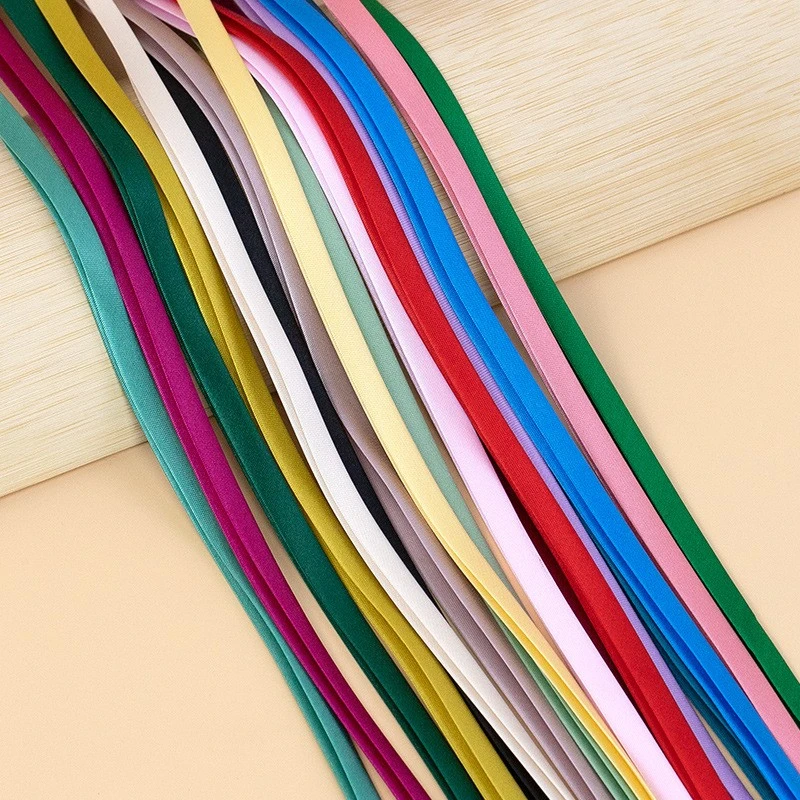

If you're interested in purchasing bias binding tape for your next project, please don't hesitate to contact me. I'm here to help you find the perfect bias binding tape for your needs and provide you with the best possible service. Let's start a conversation and bring your creative ideas to life!
References
- Textile Institute. (2019). Handbook of Textile Fibres. Woodhead Publishing.
- Parnell, M. (2017). The Complete Photo Guide to Sewing. Cool Springs Press.
- Singer. (2020). Sewing Basics: Bias Binding. Retrieved from [Singer's official website]


