


The history of bias binding tape is a fascinating journey that spans centuries, intertwining with the evolution of textiles, fashion, and craftsmanship. As a supplier of bias binding tape, I've had the privilege of exploring this rich history and understanding how this humble yet versatile product has become an essential part of various industries.
Origins of Bias Binding Tape
The concept of using bias - cut fabric dates back to ancient times. Bias cutting involves cutting fabric at a 45 - degree angle to the grain, which gives the material unique properties. In ancient Egypt, artisans were known to use bias - cut strips of linen for various purposes, such as binding the edges of garments to prevent fraying. The bias cut allowed the strips to be more flexible and conform better to curved shapes, making them ideal for finishing the edges of clothing items.
During the Middle Ages in Europe, bias binding tape became more refined. As the textile industry developed, weavers began to produce finer fabrics, and the use of bias binding became more widespread. It was used not only for clothing but also for home textiles, such as tablecloths and curtains. The binding tape added a decorative touch as well as a functional one, protecting the edges of these valuable items.
The Industrial Revolution and the Growth of Bias Binding Tape
The Industrial Revolution in the 18th and 19th centuries brought significant changes to the production of bias binding tape. With the invention of new machinery, it became possible to mass - produce bias binding tape more efficiently. Factories could cut and fold fabric strips at a much faster rate, reducing the cost and making the product more accessible to a wider range of consumers.

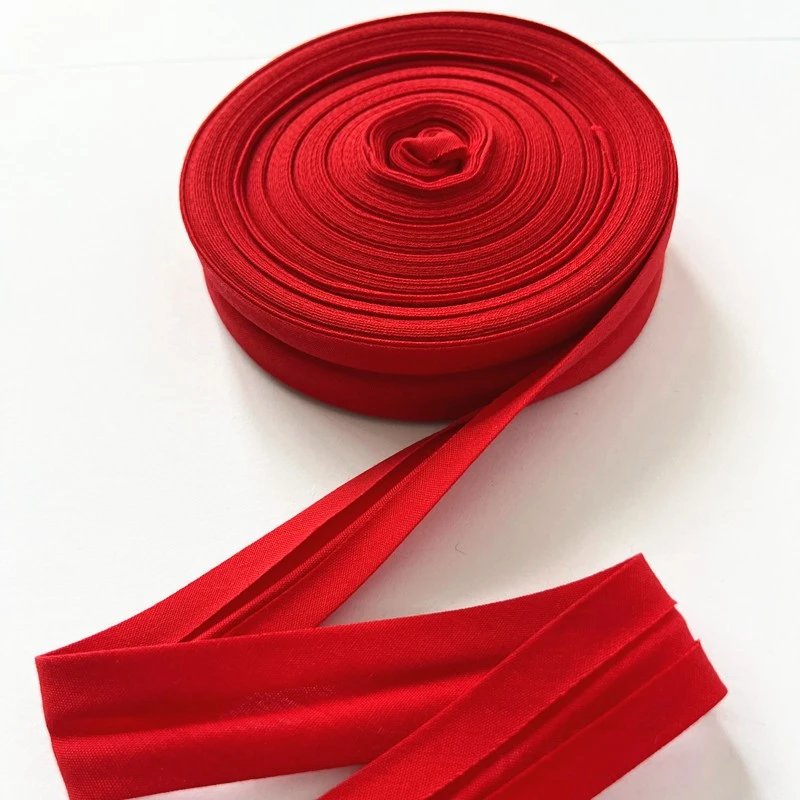
This period also saw an increase in the variety of materials used for bias binding tape. Cotton, which was abundant and relatively inexpensive, became a popular choice. Silk was also used for more luxurious applications, adding a touch of elegance to high - end clothing and accessories.
Bias Binding Tape in Fashion
In the world of fashion, bias binding tape has played a crucial role. It has been used to finish the edges of dresses, skirts, and blouses, creating a clean and professional look. Designers have long appreciated the flexibility of bias binding tape, which allows it to follow the curves of the body and add a flattering silhouette to garments.
For example, in the 1920s flapper dresses, bias binding tape was used to finish the edges of the loose - fitting, geometric - shaped dresses. The tape added a touch of sophistication to these revolutionary garments. In the 1950s, the full - skirted dresses popularized by Christian Dior's "New Look" often featured bias binding tape to finish the edges of the bodices and sleeves, enhancing the feminine and elegant style.
Today, bias binding tape continues to be a staple in fashion design. It is used in both high - fashion couture and ready - to - wear clothing. Designers use it to add a custom touch to their creations, whether it's a simple T - shirt or a complex evening gown.
Bias Binding Tape in Home Decor
Bias binding tape has also found its way into the world of home decor. It is used to finish the edges of pillows, cushions, and draperies. The tape can add a decorative element to these items, making them look more polished and professional.
In the past, hand - made bias binding tape was often used in home sewing projects for home decor. Women would spend hours cutting and folding fabric strips to create unique and personalized binding for their home textiles. Today, with the availability of mass - produced bias binding tape, it has become even easier for homeowners and DIY enthusiasts to add a professional touch to their home decor projects.
Types of Bias Binding Tape
There are several types of bias binding tape available in the market today. One of the most common types is the Double Fold Bias Binding Tape. As the name suggests, this type of tape is folded twice, creating a double - layer strip. It is often used for finishing the edges of fabric where a more substantial and durable finish is required. Double - fold bias binding tape is popular for use in clothing, home decor, and craft projects.
Another type is the Single Fold Bias Binding Tape. This tape is folded only once, resulting in a single - layer strip. It is typically used for lighter - weight applications, such as binding the edges of delicate fabrics or for adding a simple decorative touch.
The general Bias Binding Tape comes in a variety of widths, colors, and materials, allowing customers to choose the perfect tape for their specific needs.
Our Role as a Bias Binding Tape Supplier
As a bias binding tape supplier, we are committed to providing high - quality products to our customers. We source the best materials, whether it's cotton, silk, or synthetic fabrics, to ensure that our bias binding tape is durable, flexible, and aesthetically pleasing.
We understand the diverse needs of our customers, from fashion designers to home decor enthusiasts. That's why we offer a wide range of bias binding tape options, including different types, widths, and colors. Our team of experts is always available to provide advice and guidance on choosing the right bias binding tape for a particular project.
Contact Us for Your Bias Binding Tape Needs
If you are in the market for bias binding tape, we invite you to contact us. Whether you are a small - scale crafter or a large - scale manufacturer, we have the products and expertise to meet your requirements. We offer competitive prices, fast delivery, and excellent customer service. Let's start a conversation about how our bias binding tape can enhance your projects.
References
- "A History of Textiles" by David Jenkins
- "Fashion History: From Ancient Egypt to the Present" by Valerie Steele
- "Home Decorating Through the Ages" by Penelope Hobhouse


