


In the world of sewing and crafting, bias binding tape is an essential item that serves both functional and aesthetic purposes. It's used to finish raw edges, create decorative trims, and add a professional touch to various projects. As a supplier of bias binding tape, I often encounter customers who are unsure about the differences between machine-made and hand-made bias binding tape. In this blog post, I'll delve into the characteristics, advantages, and disadvantages of each type to help you make an informed decision for your next project.
Machine-Made Bias Binding Tape
Machine-made bias binding tape is produced using automated machinery, which allows for high-volume production with consistent quality. The process involves cutting fabric strips at a 45-degree angle to the grain, which gives the tape its characteristic stretch and flexibility. These strips are then folded and stitched together to create the binding tape.
One of the primary advantages of machine-made bias binding tape is its efficiency. The automated production process enables manufacturers to produce large quantities of tape in a relatively short amount of time. This makes it an ideal choice for commercial projects or for those who need a large amount of binding tape for their work. Additionally, machine-made tape is often more affordable than its hand-made counterpart, making it a budget-friendly option for many sewers and crafters.
Another benefit of machine-made bias binding tape is its consistency. The use of machinery ensures that each piece of tape is uniform in width, length, and quality. This makes it easier to work with, especially for beginners or those who require precise measurements in their projects. Whether you're using Single Fold Bias Binding Tape for a simple hemming job or Double Fold Bias Binding Tape for a more decorative application, you can expect a consistent product that will perform well.

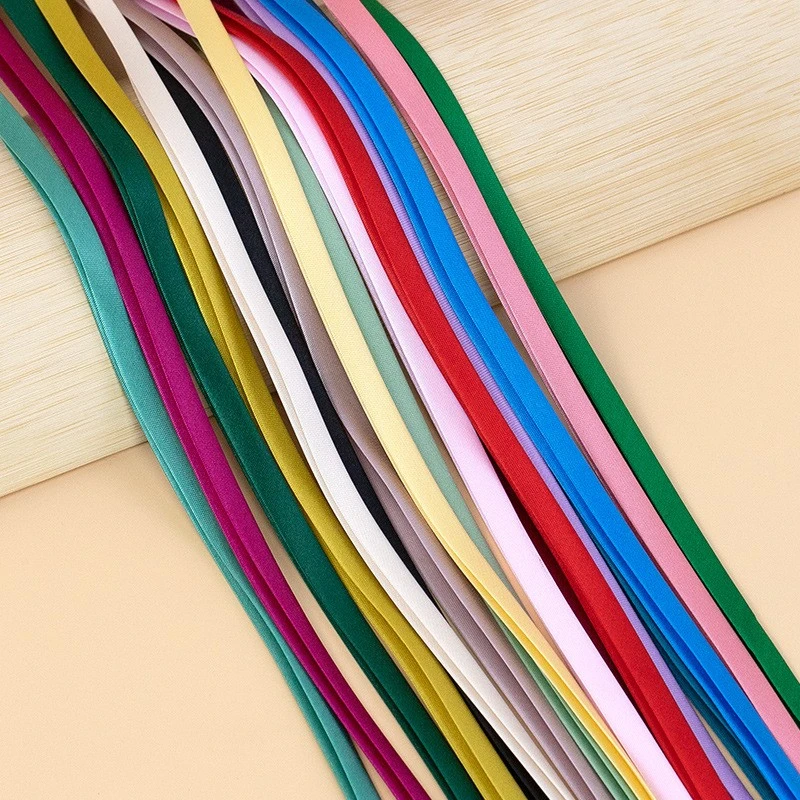
However, machine-made bias binding tape also has its limitations. One of the main drawbacks is the lack of uniqueness. Since the tape is mass-produced, it may not have the same character or charm as hand-made tape. Additionally, some sewers and crafters may find that machine-made tape has a more rigid or less natural feel compared to hand-made tape, which can affect the overall look and feel of their projects.
Hand-Made Bias Binding Tape
Hand-made bias binding tape, as the name suggests, is crafted by hand. This process involves cutting the fabric strips at a 45-degree angle, folding them, and stitching them together using a needle and thread or a sewing machine. The result is a one-of-a-kind piece of tape that has a unique texture and appearance.
One of the most significant advantages of hand-made bias binding tape is its uniqueness. Each piece of tape is crafted with care and attention to detail, which means that no two pieces are exactly alike. This makes hand-made tape a great choice for those who want to add a personal touch to their projects or create something truly special. Whether you're making a gift for a loved one or working on a high-end design, hand-made bias binding tape can add a touch of luxury and individuality.
Another benefit of hand-made bias binding tape is its flexibility. Since the tape is made by hand, it can be customized to fit the specific needs of your project. You can choose the fabric, color, width, and length of the tape, as well as the type of stitching and finishing. This allows you to create a tape that is perfectly suited to your project and your personal style.
In addition to its uniqueness and flexibility, hand-made bias binding tape also has a more natural and organic feel compared to machine-made tape. The hand-stitching and folding process gives the tape a soft, supple texture that can enhance the overall look and feel of your project. This makes it a popular choice for those who prefer a more traditional or rustic aesthetic.
However, hand-made bias binding tape also has its challenges. One of the main drawbacks is the time and effort required to produce it. Since the tape is made by hand, it can take a significant amount of time to create even a small amount of tape. This makes it a more expensive option than machine-made tape, especially for large projects. Additionally, the quality of hand-made tape can vary depending on the skill and experience of the maker, which means that it may not be as consistent as machine-made tape.
Choosing the Right Bias Binding Tape for Your Project
When it comes to choosing between machine-made and hand-made bias binding tape, there are several factors to consider. The first factor is the type of project you're working on. If you're working on a large-scale commercial project or a project that requires a large amount of tape, machine-made tape may be the more practical choice. It's more affordable, efficient, and consistent, which makes it a great option for projects that need to be completed quickly and on a budget.
On the other hand, if you're working on a small, personal project or a project that requires a unique or custom touch, hand-made bias binding tape may be the better choice. It's more flexible, customizable, and has a more natural and organic feel, which makes it a great option for projects that need to stand out or have a personal touch.
Another factor to consider is your skill level and experience. If you're a beginner or have limited sewing skills, machine-made bias binding tape may be easier to work with. It's more consistent and predictable, which makes it a great option for learning the basics of using bias binding tape. However, if you're an experienced sewer or crafter and enjoy the challenge of working with hand-made materials, hand-made bias binding tape can be a rewarding and satisfying choice.
Finally, your budget is also an important consideration. Machine-made bias binding tape is generally more affordable than hand-made tape, especially for large quantities. If you're on a tight budget, machine-made tape may be the more practical choice. However, if you're willing to invest in a higher-quality, unique product, hand-made bias binding tape may be worth the extra cost.
Conclusion
In conclusion, both machine-made and hand-made bias binding tape have their own unique characteristics, advantages, and disadvantages. As a supplier of Bias Binding Tape, I understand the importance of choosing the right tape for your project. Whether you're looking for a budget-friendly, consistent option or a unique, custom-made tape, there is a bias binding tape out there that is perfect for you.
If you're interested in purchasing bias binding tape for your next project, I encourage you to explore our wide range of options. We offer both machine-made and hand-made bias binding tape in a variety of colors, widths, and materials to suit your needs. Whether you're a professional sewer, a hobbyist, or a DIY enthusiast, we have the tape you need to take your project to the next level.
If you have any questions or need further assistance in choosing the right bias binding tape for your project, please don't hesitate to contact us. Our team of experts is here to help you make the best decision and ensure that you have a successful and enjoyable sewing experience.
References
- Textile Institute. (2019). Handbook of Textile Fibre Structure. Woodhead Publishing.
- Pullen, A. (2018). Sewing for Beginners: A Step-by-Step Guide. Quarto Publishing Group USA.


