


Hey there! As a supplier of Bias Binding Tape, I often get asked if this nifty little product can be used for upholstery. Well, you bet it can! In this blog, I'm gonna break down how bias binding tape can be a game - changer for your upholstery projects.
First off, let's talk about what bias binding tape is. Bias binding tape is a strip of fabric that's cut on the bias, which means it runs at a 45 - degree angle to the fabric's grain. This gives it a unique stretch and flexibility that straight - cut fabric just can't match. You can find it in different types, like Double Fold Bias Binding Tape and Single Fold Bias Binding Tape.
When it comes to upholstery, bias binding tape has several awesome uses. One of the main benefits is finishing the edges. Upholstery fabrics often have raw edges that can fray over time. Using bias binding tape to cover these edges not only prevents fraying but also gives a clean and professional look.
Let's say you're upholstering a chair. The edges of the fabric where it meets the frame can be a bit rough and unappealing. By using a Bias Binding Tape, you can neatly enclose these edges. It's like putting a nice frame around a beautiful picture. The tape can be sewn or glued in place, depending on your preference and the type of project.
Another great use of bias binding tape in upholstery is for creating decorative accents. You can choose tapes in different colors, patterns, and textures to add a pop of style to your upholstered pieces. For example, if you have a plain - colored sofa, using a brightly colored bias binding tape along the seams can make it look more eye - catching.
The flexibility of bias binding tape also makes it perfect for curved or irregularly shaped upholstery items. Unlike straight - cut trim, bias binding tape can easily conform to curves without puckering or bunching. This is especially useful when upholstering items like ottomans or rounded chairs.
Now, let's talk about the different types of bias binding tape and how they work for upholstery.
Double Fold Bias Binding Tape
Double Fold Bias Binding Tape is a popular choice for upholstery. It has two layers of fabric folded over, which gives it a thicker and more substantial feel. This type of tape is great for covering wider edges or for projects where you want a more durable finish. When using double - fold bias binding tape, you simply insert the raw edge of the upholstery fabric into the fold and sew it down. It creates a nice, flat finish that looks really sharp.
Single Fold Bias Binding Tape
On the other hand, Single Fold Bias Binding Tape is thinner and more flexible. It's ideal for more delicate upholstery projects or for adding a subtle accent. You can use it to finish narrow edges or to create a more understated look. Single - fold bias binding tape can be sewn on one side to attach it to the upholstery fabric.
When choosing a bias binding tape for your upholstery project, there are a few things to keep in mind. First, consider the color and pattern. You want the tape to either match or complement the upholstery fabric. If you're going for a coordinated look, choose a tape that has a similar color palette. For a more contrasty look, pick a tape in a bold, different color.
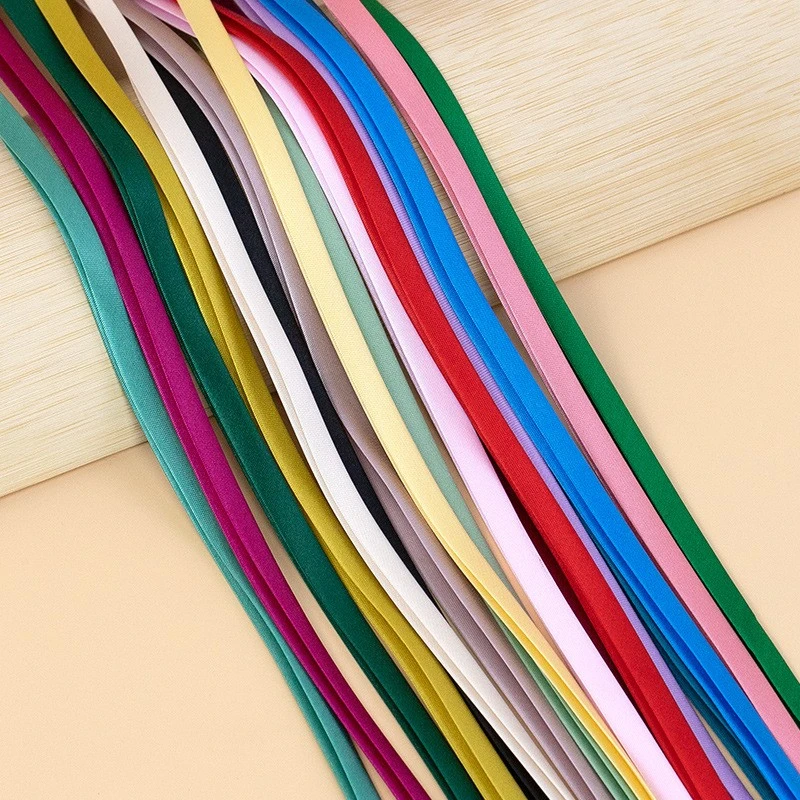

The width of the tape is also important. For larger upholstery items like sofas, you might want to use a wider tape to make a more significant impact. For smaller items like cushions, a narrower tape will work just fine.
The material of the bias binding tape matters too. You can find tapes made from cotton, polyester, silk, and other fabrics. Cotton tapes are soft and breathable, making them a good choice for upholstery that will come into contact with skin. Polyester tapes are more durable and resistant to stains, which is great for high - traffic areas.
Now, I know some of you might be thinking, "Sounds great, but how do I actually use bias binding tape for upholstery?" Well, it's not as hard as you might think.
If you're using double - fold bias binding tape, start by measuring the length of the edge you want to cover. Cut the tape a bit longer than the measurement to account for any overlap. Then, open up the fold of the tape and place the raw edge of the upholstery fabric inside. Pin the tape in place along the edge, making sure it's evenly distributed. Use a sewing machine or a needle and thread to sew the tape to the fabric, following the edge.
For single - fold bias binding tape, you'll need to fold the tape over the raw edge of the fabric and sew it down on one side. You can use a straight stitch or a decorative stitch, depending on the look you want.
In conclusion, bias binding tape is an incredibly versatile product that can definitely be used for upholstery. Whether you're looking to finish edges, add decorative accents, or work on curved items, bias binding tape has got you covered.
If you're interested in using bias binding tape for your next upholstery project, I'd love to chat with you. We offer a wide range of bias binding tapes in different colors, patterns, and materials. Just reach out, and we can discuss your specific needs and find the perfect tape for you.
References
- Upholstery Basics: A Guide to Materials and Techniques. [Author's Name], [Publication Year]
- The Art of Decorative Upholstery. [Author's Name], [Publication Year]


