

Widely used in handmade jewelry, drawstrings, handles, or utility applications, the appeal of the cotton cords often lies in their rich, vibrant colors and soft, natural texture. But nothing disappoints more than a beautiful cotton cord that fades after a few washes or rubs off on your skin or clothing. What's why we have brought this topic-the importance of the color fastens comes into play. How a nice dyed cotton cord retains its original hue despite exposure to washing, light, friction, perspiration, and other everyday challenges? For wholesale buyers specifically, strong color fastness means your creations or products stay bright and professional-looking over time, enhancing durability and customer satisfaction. As a manufacturer for a variety type of cords and ropes, we have dyed to match a numerous of cords, drawstrings for our customers. We're experienced in improving the color fastness for the pure cotton cords.
What Is Color Fastness?
Color fastness refers to a dyed textile's resistance to fading or running when exposed to various conditions including washing, light exposure, rubbing, and perspiration. Like cotton cords, dyes bond with the natural cellulose fibers. The stronger this bond, the better the fastness. Good color fastness should have below features:
Washing Resistant: Resistance to color loss or bleeding during laundering.
Rub/crocking Resistant: No transfer of color when rubbed (crucial for cords used in handles or jewelry).
Light (UV) Resistant: Maintaining vibrancy when exposed to sunlight.
Perspiration Resistant: Holding color against sweat, important for wearable items.

What Is a General Dyeing Process?
A general dyeing process for textiles follows these basic stages:
Preparation (Pre-treatment)
The fabric or fiber is cleaned to remove any oils, dirt, waxes, or sizing agents that could prevent even dye absorption. This might involve washing with detergents or treating with chemicals to prepare the fibers to accept dye.
Dye Bath Preparation
The dye is dissolved in water at a specific temperature, and additional chemicals are often added depending on the fiber type and dye being used. These might include salt (to help dye penetration), alkali like soda ash (to fix reactive dyes), or acids (for protein fibers like wool).
Dyeing
The textile is immersed in the dye bath. Temperature, time, and agitation are carefully controlled. The dye molecules gradually migrate from the bath into the fibers. This can take anywhere from 30 minutes to several hours depending on the depth of color desired and the dyeing method.

Fixation
For many dye types, a chemical reaction or temperature change helps "fix" the dye permanently to the fibers. This ensures the color won't wash out easily.
Rinsing and Washing
Excess unfixed dye is rinsed away with water, often starting with cool water and progressing to hot water with detergent. This removes any dye that didn't bond to the fibers.
Drying and Finishing
The dyed material is dried, and may receive additional treatments like heat-setting, softening agents, or other finishes depending on its intended use.
The specific details vary considerably based on the fiber type (cotton, wool, synthetic), dye class (reactive, acid, disperse), and whether it's industrial or craft dyeing.
How Are Cotton Cords Dyed for Colors?
The dyeing of a cotton cord follows the above dyeing process of general textiles. And there are typically two methods to make the cotton cords in colors, depending on the desired outcome and scale of production.

Post-dye: Also known as direct dyeing is a simpler method where the cord is placed directly into a hot dye bath with salt to help the dye penetrate the fibers evenly. This way is to dye the finished cords. It's usually applied for small batch of orders for budgeted project. The dyeing process is a small lot operation which is easier to carry out.
Pre-dye: Most cotton cords are dyed at the yarn stage before braiding for uniform color penetration. Yarn is formed into ropes, dyed in large baths (often rope dyeing for efficiency), fixed, rinsed, and then braided into cords. Premium colorful cotton cords often by vat dyed and reactive dyed, which work well because cotton fiber is naturally absorbent. This dyeing method creates vibrant, long-lasting colors.


We often dye cotton yarns in large skeins or spools before it's braided into cord, though finished cords can also be dyed. The key is ensuring even penetration throughout the twisted or braided structure so the color is consistent all the way through, not just on the surface.
Why Cotton Textiles Are Prone to Fading?
The Nature Structure of Cotton Fibers demines that the cotton textile is more prone to fading than other synthetic fibers. The "natural weakness" of cotton fiber: loose structure + strong hydrophilicity. This feature makes the dyes easily "penetrate" but are difficult to "fix": Hydrophilicity of cotton fibers allows dyes to easily penetrate, but their loose structure cannot lock dye molecules in firmly through intermolecular forces like synthetic fibers (such as polyester fibers)-especially water-soluble dyes, which are easily "soaked out" during washing, causing fading. On the other hand, the fiber lacks natural coloring ability: Cotton fibers are off white or pale yellow, unlike protein fibers such as wool and silk, which can form stable chemical bonds with certain dyes. They must rely on external dyes for coloring, and the fastness of these "external dyes" depends entirely on the dyeing process.

Why Color Fastness Matters for Cotton Cords
Cotton cords are versatile: From colorful braided macrame ropes to functional drawstrings and elegant jewelry accents. Poor color fastness can lead to: Fading that dulls aesthetic appeal, bleeding that stains skin, clothing, or other materials, and reducing product lifespan, leading to complaints or returns, and lost business relationships.
In contrast, high color fastness ensures cords remain vivid through repeated use, washing, and exposure-perfect for jewelry that touches skin daily or utility cords that endure friction. Good color fastness also means goo quality of a cotton cord, which will enhance customers' confidence in repurchasing.

How to Achieve Superior Color Fastness in Cotton Cords?

Cotton is beloved for its absorbency and comfort, but achieving excellent color retention requires careful dyeing processes. The degree of fading in pure cotton items depends 80% on the dyeing techniques and the choice of dyes.
For the dyes, degree of fading: Direct dyes>acid dyes>reactive dyes>vat dyes. Means for the same fabric, use direct dyes are much more prone to fading than using vat dyes.
The dyeing techniques will affect the color fixation: If color fixation is insufficient during dyeing (e.g., no fixing agent used, insufficient high-temperature fixing time), even reactive dyes are easily to fade.
Dark and vibrant colored cotton cord (such as bright red, navy blue, and black) requires higher dye concentrations and more complex fixing processes. Simplifying the process significantly increases the risk of fading.
Some manufacturers use cheap dyes and shorten the process to reduce costs, which is the core reason why low-priced cotton is prone to fading.
It's easy to know from the above, to achieve superior color fastness in cotton cords: First of all, we need to choose reactive dyes for deep, lasting shades. Reactive dyes, which form strong covalent bonds with cotton fibers, offer some of the best fastness properties-far superior to direct dyes for washing and rubbing.
Secondly, make proper color fixation: Thorough rinsing and fixing agents to remove unfixed dye.
And finally, the braiding structure of a cotton cord matters: Tight, tubular braids with diamond patterns provide abrasion resistance, while flat or rounded interlaced designs offer flexibility without compromising color hold.

Quality Standard for Good Color Fastness

Except for light fastness, which is graded on an 8-level scale, the above-mentioned items such wash fastness, rubbing fastness and perspiration fastness are graded on a 5-grade scale. A higher grade indicates better color fastness, with 5 being the best and 1 the worst. For example, a Class A pure cotton garment with a dry rubbing resistance of 4 levels means that there will be virtually no noticeable color fading during daily wear and rubbing.
Corresponding Testing Standards: Actual testing will be conducted according to specific recommended international standards. For example, wash fastness is tested according to ISO 105-C06 (International standard), rubbing fastness according to ISO 105-X12, and perspiration fastness according to ISO 105-E04. These standards specify details such as test temperature and number of rubbing cycles. For instance, wash fastness tests often involve different temperature scenarios such as 40℃ and 60℃.
Following such quality standard, a cotton cord with good color fastness can withstand at least 3-5 wash cycles without significant color change.
To test practically and simply, you may ask for samples before bulk orders and conduct a simple home wash test. Wash the cord separately in warm water with mild detergent, then check for color bleeding in the water and fading of the cord itself.
Our premium cotton cords are crafted with these principles in mind, using high-quality reactive dyeing processes to deliver exceptional wash, rub, and light fastness. Whether you're creating jewelry, handles, or drawstrings, they resist unraveling, maintain shape, and keep colors true-ensuring smooth, consistent texture and reliable performance.
By prioritizing color fastness, you get cotton cords that not only look stunning from day one but continue to impress through years of use.
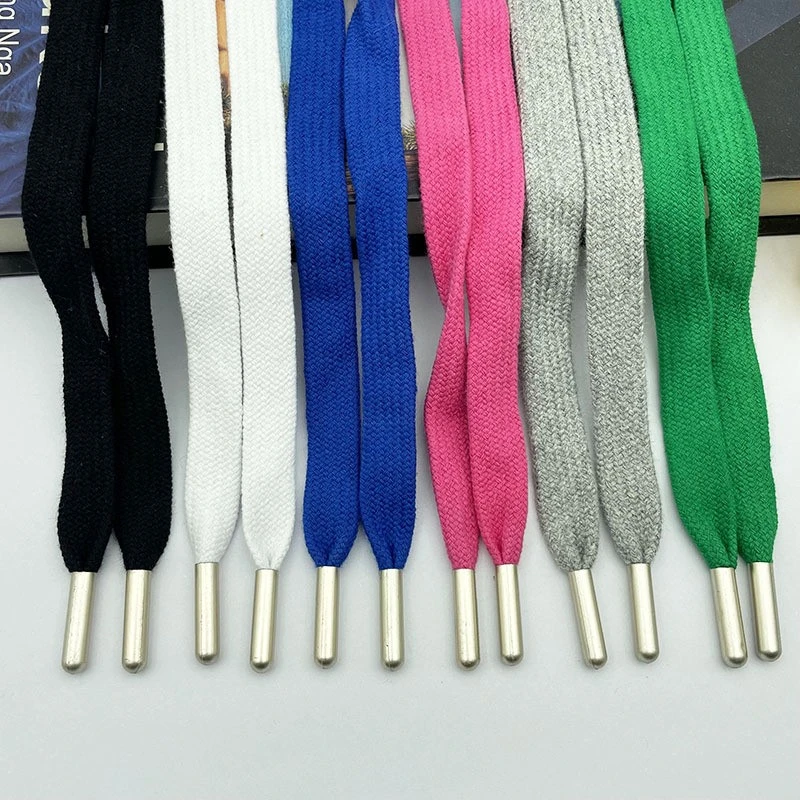
Ready to discuss your cotton cord needs? Contact us to learn more about our quality testing protocols and how we ensure color fastness in every shipment.


