

Like all other metallic materials, stainless steel plays a vital role across various industries. It is particularly widely used in high-performance industrial hardware components. As a company specializing in offering professional solutions in high-performance parts, we frequently manufacture a wide range of stainless steel hardware for our clients. Today, we would like to explore various aspects of stainless steel hardware accessories with you.
In the world of industrial manufacturing, outdoor gear production, and heavy-duty equipment design, the choice of hardware components can make or break a product's success. Among various materials, stainless steel stands out as the gold standard for reliability, safety, and longevity.
Products Description
From a metallurgical perspective, stainless steel is not a single metal, but rather an iron-based alloy containing a minimum of 10.5% Chromium by mass.
Unlike carbon steel, which oxidizes rapidly when exposed to air and moisture (creating rust), the chromium within stainless steel reacts with oxygen to form a microscopic, non-porous layer of chromium oxide (Cr2O3) on the surface. This is known as the passive layer.
[Oxygen] + [Chromium (Min 10.5%)] ──> Passive Chromium Oxide Layer (Self-Healing & Rust-Proof)
This passive layer is exceptionally thin but incredibly durable. More importantly, it is self-healing: if the surface of the hardware component is scratched or mechanically damaged, the exposed chromium will immediately re-oxidize in the presence of air, restoring the corrosion-resistant barrier.
To enhance specific physical properties-such as tensile strength, ductility, and high-temperature resistance-other alloying elements like Nickel (Ni), Molybdenum (Mo), and Manganese (Mn) are added, creating the specialized grades used in industrial, tactical, and marine hardware today.
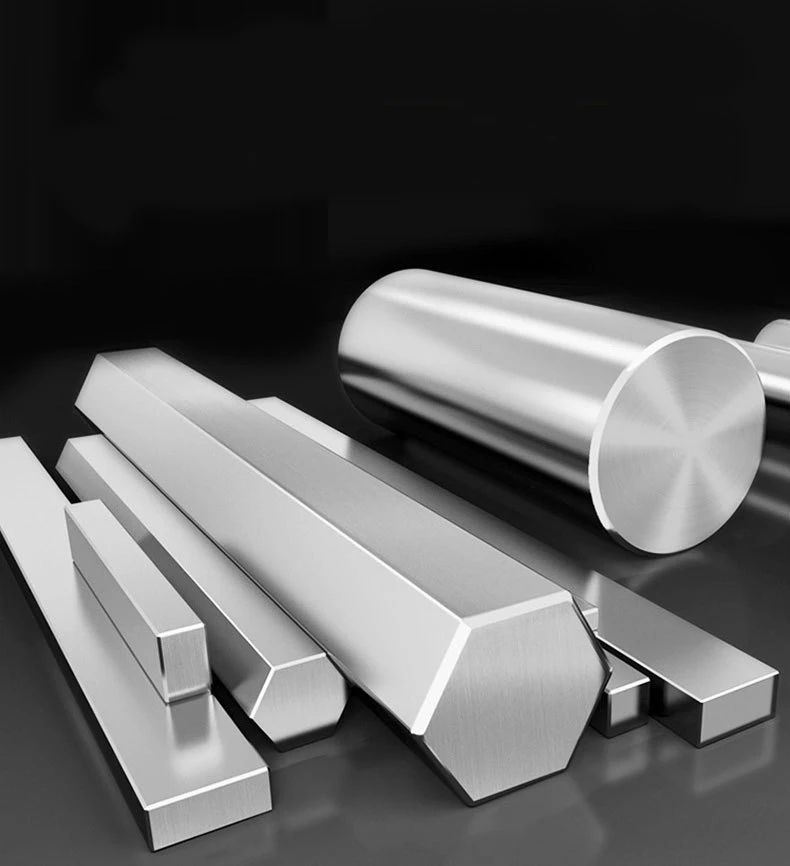
Why Stainless-Steel Hardware Parts? The Core Benefits for B2B Applications
Before diving into specific grades, it's essential to understand why top-tier brands and industrial sectors consistently mandate stainless steel hardware over zinc alloy, carbon steel, or plastics.
· Exceptional Corrosion Resistance: Stainless steel contains chromium, which forms an invisible, self-healing passive layer of chromium oxide on the surface. This prevents rust, oxidation, and degradation even in high-moisture or chemical-heavy environments.
· High Tensile Strength & Durability: Industrial and tactical applications demand components that won't deform under heavy loads. Stainless steel offers superior yield and tensile strength compared to most alternative metals.
· Aesthetic Longevity: It maintains a sleek, professional, and premium metallic look over years of hard use, which directly elevates the perceived value of your finished products.
· Hygiene and Easy Maintenance: Its non-porous surface resists bacterial growth and is incredibly easy to clean, making it ideal for pet applications and medical-grade industrial environments.
The Stainless Steel Types and Their Features
Getting Know More About the Metallurgy: Grade 201, 304, 316 and 316L
Not all stainless steel is created equal. From normal and cost-effective use to high performance food grade demand, for commercial buyers, selecting the correct grade is crucial for balancing cost-efficiency with product performance. In the production of stainless steel hardware accessories, we usually face 4 types of choices:
| Feature | Grade 201 | Grade 304 | Grade 316 | Grade 316L (Ultra-Low Carbon) |
| Chemical Composition | Low Nickel (1%-5.5%), High Manganese | 18% Chromium, 8% Nickel | 16% Chromium, 10% Nickel, 2% Molybdenum | 16% Chromium, 10% Nickel, 2% Molybdenum, Max 0.03% Carbon |
| Corrosion Resistance | Low; prone to rusting in humid environments. | Excellent in standard indoor/outdoor settings. | Superior; immune to salt water and standard chlorides. | Maximum; completely immune to weld decay and intergranular corrosion. |
| Weldability | Poor; prone to cracking post-weld. | Good; standard welding protocols apply. | Good; but heavy welding can cause localized rust vulnerability. | Excellent; designed specifically for heavy industrial welding applications. |
| Best Used For | Indoor decoration, budget consumer hardware. | Standard industrial components, premium pet/tactical gear. | Marine hardware, high-tensile outdoor safety rigs. | Marine structures, chemical processing hardware, heavy-duty welded components. |
| Cost Profile | Economy / Budget-driven | Balanced / Industry Standard | Premium / High-performance | Ultra-Premium / Highly Specialized |
What is Special for 316/316L stainless steel? -The Critical Molybdenum Factor
The key differentiator is Molybdenum in Grade 316. This single element drastically increases the metal's resistance to chloride pitting, making 316 the absolute requirement for anything exposed to sea spray, road salt, or extreme weather weathering.
The Ultimate Myth: Does Stainless Steel Never Rust?
A common misconception among procurement managers and end-users is that stainless steel is completely infallible and 100% rust-proof. The short answer is no: stainless steel can rust under specific adverse conditions. Understanding why it rusts is the key to preventing product failure and protecting your brand's reputation.
How Stainless Steel Rusts: Piercing the Passive Layer
As established, stainless steel relies on a microscopic, self-healing chromium oxide passive layer for protection. Corrosion only occurs when this passive layer is continuously breached or stripped away faster than it can re-oxidize and heal itself.
In industrial, outdoor, and medical environments, this typically happens due to three main catalysts:
1. Chloride Pitting (The Salt & Sweat Factor): High concentrations of chlorides-found in marine salt spray, coastal humidity, road de-icing salts, and even human or animal sweat-are highly aggressive. They can penetrate the passive layer on lower-grade steels (like 201 or standard 304), causing deep, microscopic pits that eventually lead to visible brown rust.
2. Cross-Contamination (The Manufacturing Flaw): If a factory uses the same tooling, polishing wheels, or cutting blades for both carbon steel and stainless steel without thorough cleaning, microscopic carbon iron particles can become embedded in the stainless steel's surface. These foreign iron particles will rust when exposed to air, artificially triggering corrosion on an otherwise perfect piece of hardware.
3. Chemical Stripping (The Cleaning Hazard): In medical and industrial settings, using overly aggressive, bleach-based (sodium hypochlorite) or highly acidic cleaning agents can chemically strip the passive layer away. Without proper passivation treatments, the metal remains vulnerable to rapid atmospheric oxidation.
[Aggressive Chlorides / Iron Contamination] ──> Breaks Passive Layer ──> Pitting Corrosion (Rust)
How to Guarantee Rust-Free Performance
To ensure your hardware components remain pristine throughout their operational lifecycle, we engineer our supply chain around three ironclad safeguards:
- Match the Grade to the Environment: Never deploy Grade 201 outdoors. Use Grade 304 for controlled, standard environments, and strictly mandate Grade 316 or 316L for marine, tactical, and medical applications where chloride exposure is guaranteed.
- Strict Post-Manufacture Passivation: All our premium hardware components undergo a rigorous chemical citric or nitric acid bath post-machining. This process completely dissolves any surface iron contamination and artificially forces the immediate formation of a thick, uniform chromium oxide passive layer.
- Premium Surface Finishing: Advanced electro-polishing smoothens the microscopic peaks and valleys of the hardware surface. A smoother surface gives debris, salt, and moisture fewer places to latch onto, exponentially increasing corrosion resistance.
Stainless Steel Hardware Parts for High-Performance Application Scenarios
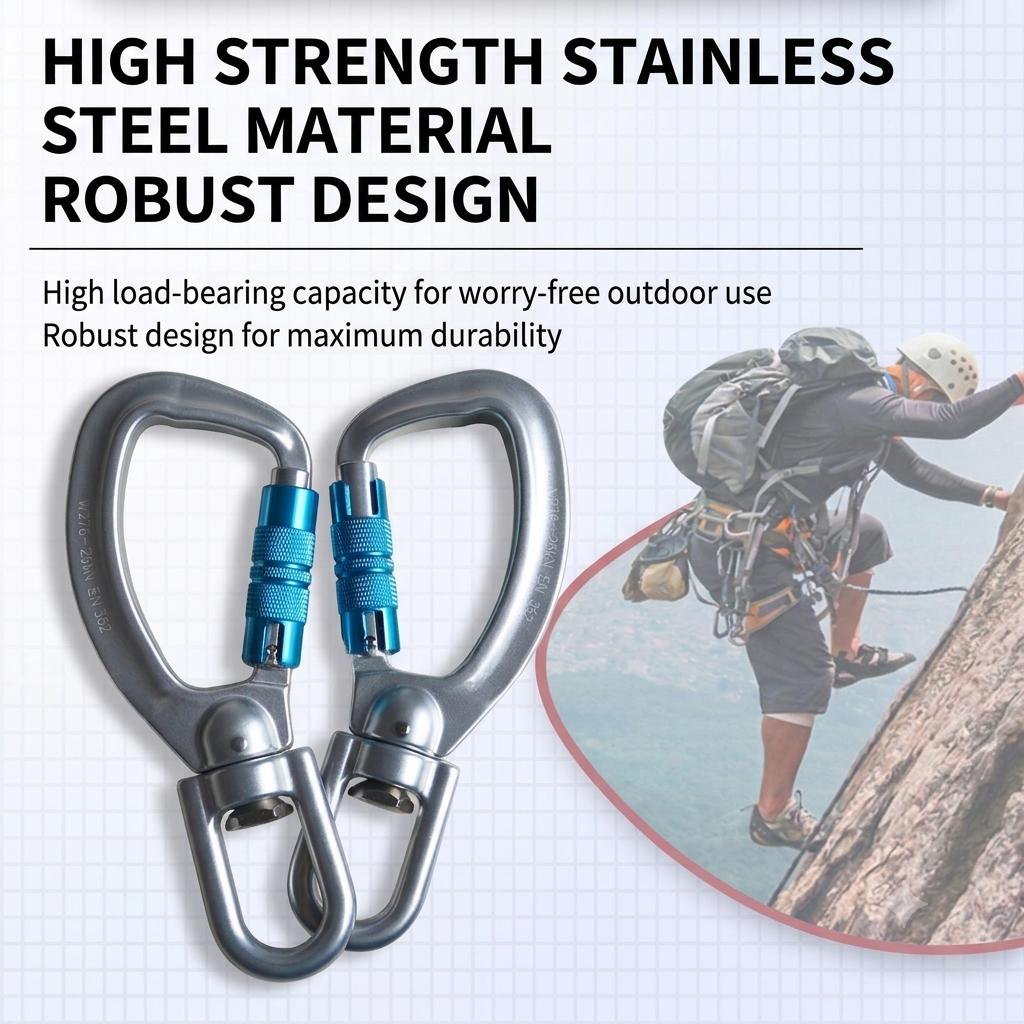
A. Outdoor, Tactical, and Safety Gear
Tactical backpacks, climbing harnesses, and outdoor survival equipment require absolute mechanical reliability.
· Key Components: Heavy-duty D-rings, quick-release buckles, snap hooks, G hooks, and tension locks.
· Why Material Matters: When a consumer relies on safety gear in rugged terrain or extreme weather, substituting PA66 nylon or zinc alloy with 316 stainless steel provides an uncompromised safety margin. It ensures the hardware will not crack under freezing temperatures or impact.
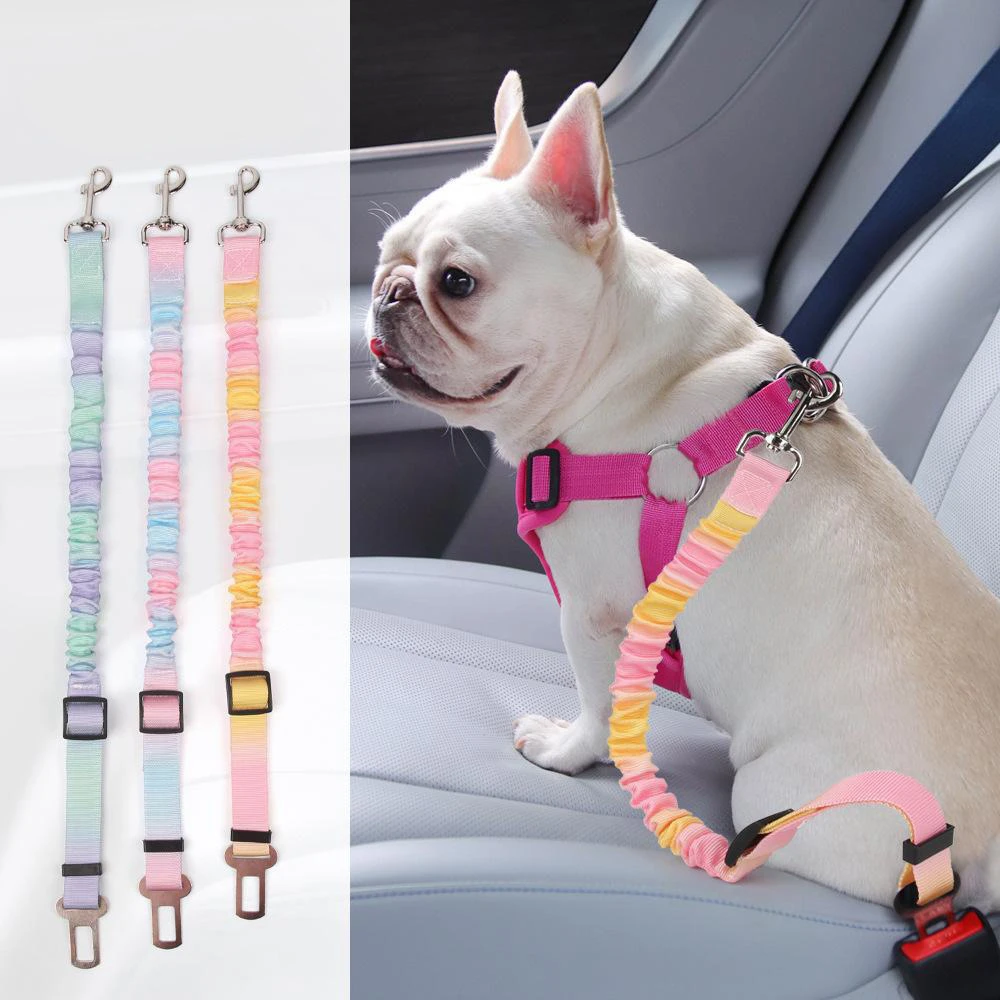
B. Heavy-Duty Pet Hardware
The pet industry has shifted dramatically toward heavy-duty, premium safety products. Large dog breeds and working K9 units exert massive kinetic force.
· Key Components: Swivel eye snap hooks, frog clips, O-rings, and specialized martingale chain loops.
· Why Material Matters: Zinc alloy snaps often snap under sudden tension, risking pet safety. Stainless steel hardware guarantees that dog leashes, harnesses, and tie-out cables can withstand thousands of pounds of pull force without failure. Furthermore, it won't rust from exposure to dog saliva, mud, or rain.
C. Industrial and Marine Components
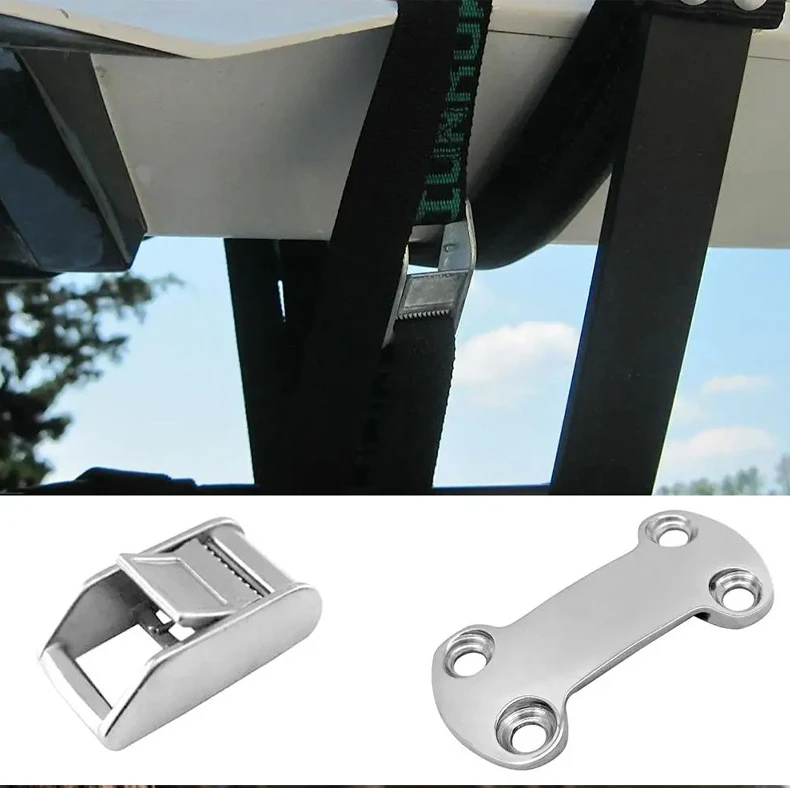
From manufacturing assembly lines to maritime shipping, hardware must endure relentless mechanical wear and chemical exposure.
· Key Components: Shackles, wire rope clips, turnbuckles, hinges, and heavy-duty spring hooks.
· Why Material Matters: Marine-grade 316 stainless steel prevents structural failure caused by salt-water corrosion, drastically reducing maintenance downtime and liability costs for industrial operations.
D. Industrial, Marine, and Precision CNC Machined Components
From heavy-duty maritime shipping to automated factory assembly lines, industrial components must endure relentless mechanical wear, high pressure, and aggressive chemical exposure. Furthermore, modern engineering demands geometric complexity that standard casting cannot achieve.
· Key Standard Components: Shackles, wire rope clips, turnbuckles, heavy-duty hinges, and spring hooks.
· Key Custom CNC Components: Precision CNC turned shafts, custom threaded valves, sensor housings, milled robotic joints, and bespoke automotive/maritime fasteners machined to strict tolerances (±0.005mm).
· Why Material Matters: Industrial and marine environments leave no room for material compromise. Marine-grade 316 and 316L stainless steel prevent structural catastrophic failure caused by chloride pitting and galvanic corrosion. When applied to CNC machining, stainless steel provides exceptional structural integrity, enabling the production of thin-walled, intricate components that maintain their high tensile strength. By utilizing advanced CNC milling and turning for stainless steel, we eliminate micro-defects, drastically reducing maintenance downtime, equipment replacement cycles, and liability costs for heavy industrial operations.

Manufacturing Processes: Cast vs. Forged vs. Stamped Hardware
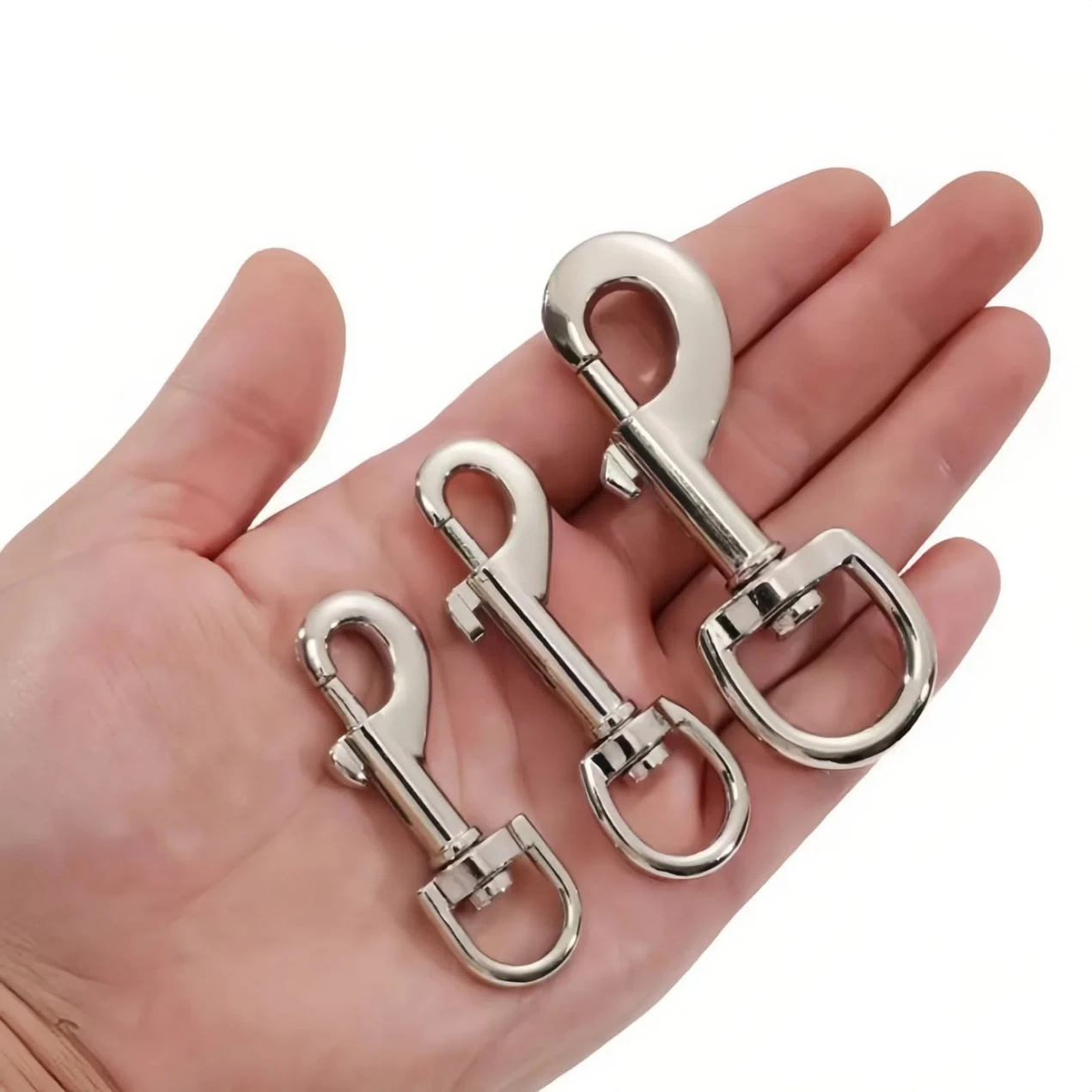
1. Investment Casting (Lost Wax Casting):
2. Forging:
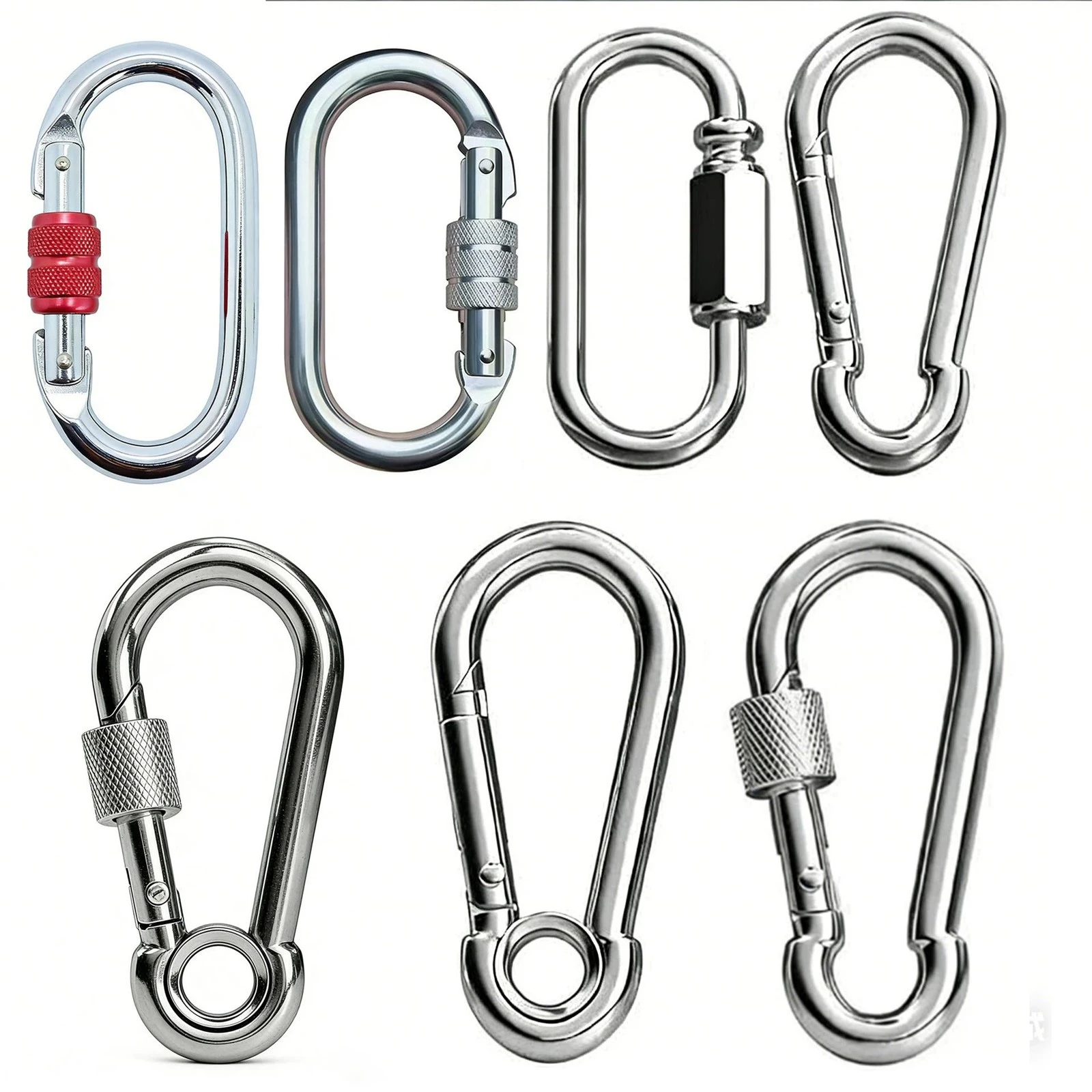
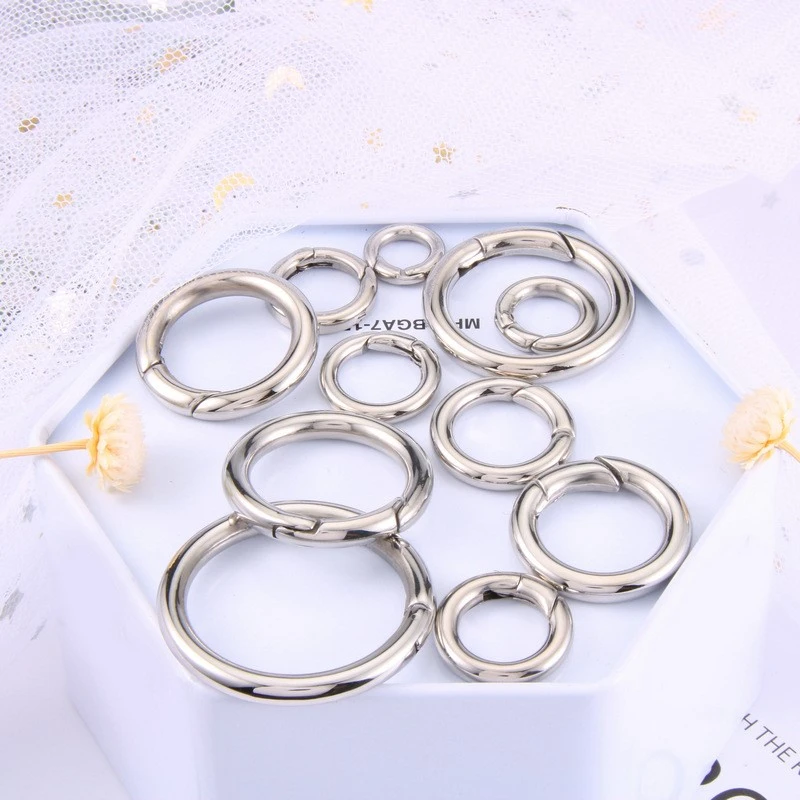
3. Stamping & Wire Forming:
Best for high-volume, uniform components like standard flat O-rings, D-rings, G hooks and brackets. Highly cost-effective while maintaining excellent material properties.
What B2B Buyers Should Look for in a Hardware Supplier
When sourcing stainless steel components globally, price is only one part of the equation. To safeguard your supply chain, ensure your manufacturing partner offers:
· Material Certification: Demand verifiable Mill Test Reports (MTRs) or SGS certifications to prove that the 316 steel you ordered actually contains the mandatory 2% Molybdenum.
· Salt Spray Testing: High-quality outdoor and marine hardware should undergo rigorous salt spray testing (e.g., 48-hour or 72-hour ASTM B117 tests) to verify rust resistance.
· Load Testing & Break Strength Verification: For safety-critical gear, suppliers must provide clear Ultimate Breaking Strength (UBS) and Working Load Limits (WLL).
· Surface Finishing Expertise: Premium hardware should undergo thorough electro-polishing or passivation to maximize its corrosion resistance and eliminate surface impurities.
Conclusion: Partner with an Industrial Hardware Expert
Investing in premium stainless steel hardware components is an investment in your brand's reputation. By choosing the right grade, manufacturing process, and a certified supply partner, you guarantee that your end products deliver the safety and durability your bulk clients demand.
At Shenzhen Maysun Industrial Co., Ltd., we specialize in manufacturing and supplying precision-engineered stainless steel hardware components, CNC machined parts for industrial, outdoor tactical, and premium pet applications. Whether you need standard catalog parts or custom OEM/ODM components tailored to your exact specifications, our team provides certified material quality and rigorous load testing.
Contact Our Engineering Team Today
to request a custom quote or sample kit for your next product line.


